Trying to choose between a condo and a townhome in Columbia City? You are not alone. For many Seattle buyers, this decision is less about which option sounds better and more about which one fits your daily life, budget, and long-term plans. In a neighborhood known for its walkability, light rail access, and historic character, the right choice often comes down to how you want to live. Let’s dive in.
Why Columbia City changes the conversation
Columbia City is not just another Seattle neighborhood. Seattle describes it as a historic district with commercial buildings, churches, apartments, and houses centered around a village green, with a preserved small-town atmosphere and a pedestrian-oriented core.
What this means for you is simple: your home choice here affects more than your square footage. It also shapes how you move through the neighborhood, how much maintenance you want to handle, and how much flexibility you want over time.
Transit is another big factor. Columbia City Station sits on Sound Transit’s 1 Line and offers accessible light rail access, bike lockers, bike racks, and nearby bus connections including routes 50 and 106. If you want a home that supports a less car-dependent lifestyle, both condos and townhomes can make a lot of sense here.
What a condo is in Washington
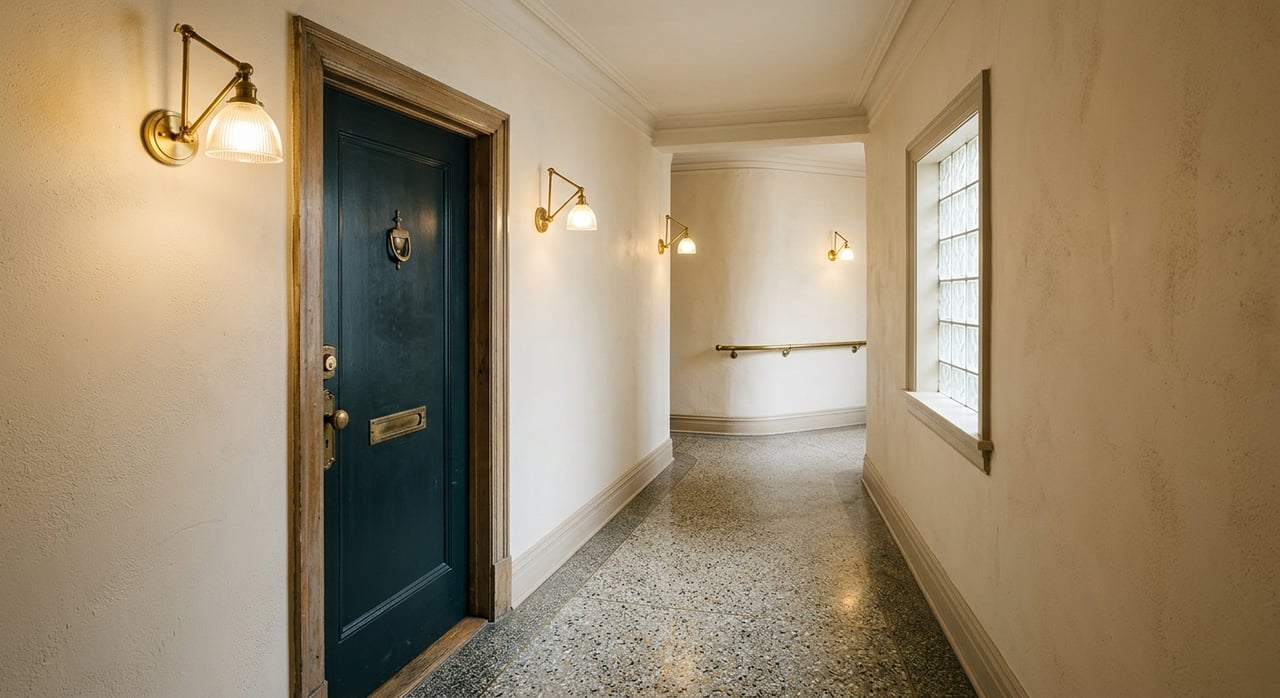
In Washington, a condominium is real property where some parts are separately owned and other parts are commonly owned by all unit owners. In everyday terms, that usually means you own your individual unit while sharing ownership of spaces like hallways, roofs, grounds, or other common areas with the rest of the community.
That shared structure affects daily ownership. Condo fees commonly help pay for exterior repairs, common areas, utilities, amenities, and reserve funds. It can be a strong fit if you want lower day-to-day upkeep and a more managed ownership experience.
What a townhome is in practice
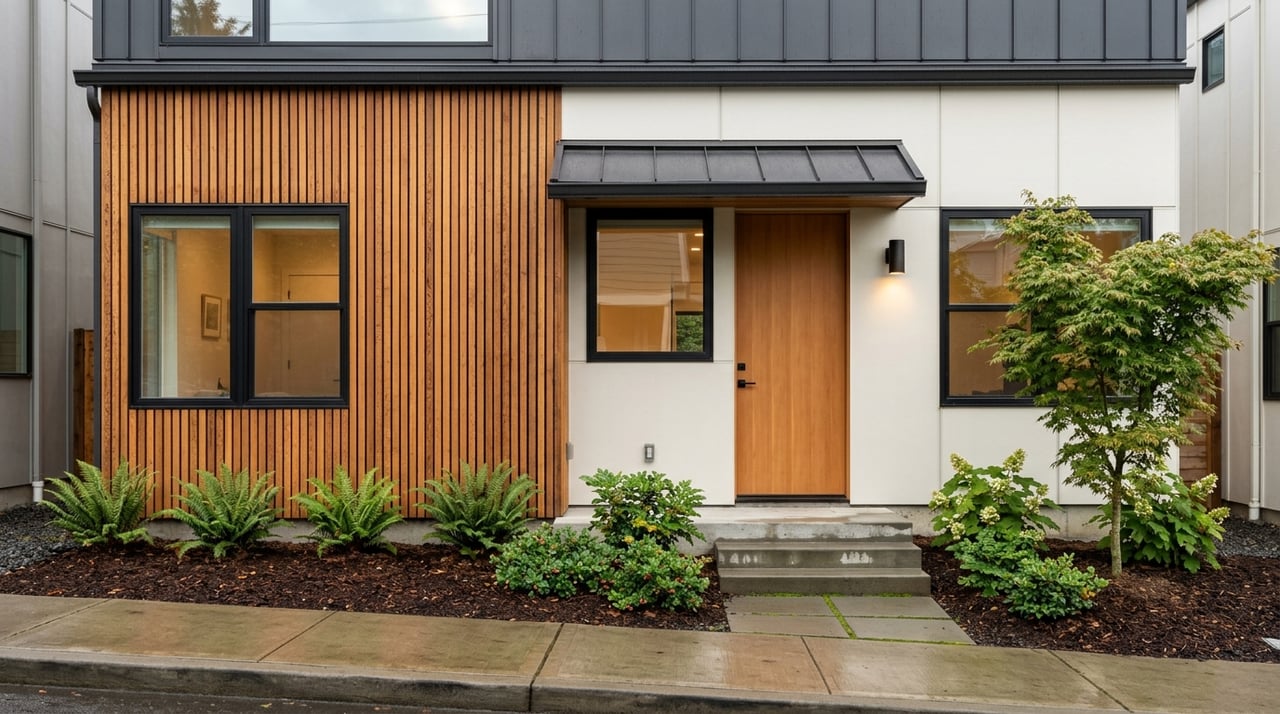
A townhome is usually a two- or three-level home attached to another home by a shared wall. Seattle’s residential code interpretation says townhouses must have open space on at least two sides, which helps explain why they often feel more like a house than a stacked condo unit.
That said, the exterior look does not always tell the full story. Some homes that look like townhomes are legally condominiums. If you are comparing options in Columbia City, you need to confirm the legal structure in the title documents and declaration, not just rely on curb appeal.
Condo vs. townhome: the biggest lifestyle differences
The right fit usually comes down to four things: maintenance, monthly costs, control, and layout.
Maintenance and upkeep
If you want the simplest ownership experience, a condo may feel easier. In a Washington condo, the association is generally responsible for the common elements, while you are responsible for your unit itself.
That can mean fewer exterior maintenance tasks on your plate. For busy professionals, first-time buyers, or anyone who values convenience, that tradeoff can be very appealing.
Townhomes often feel more independent. Even when there is an HOA, the ownership experience can feel more house-like because of the layout and exterior form. If having a multi-level home and a bit more separation matters to you, a townhome may better match your lifestyle.
Monthly costs and dues
A lower mortgage payment does not always mean a lower monthly ownership cost. HOA dues are typically paid separately from your mortgage, and those dues help support operations, maintenance, and reserves.
This is one of the most important parts of the decision. A condo with higher dues may cover more ongoing obligations, while a townhome may have different cost structures depending on the community. The key is to look past the list price and understand the full monthly picture.
Rules and owner control
Condos usually come with more shared oversight. Under Washington law, a unit owner may not change the appearance of common elements or the exterior appearance of a unit without association permission.
If you like a more managed environment, that may not bother you at all. If you want more freedom to make visible changes later, it is something to weigh carefully before you buy.
Layout and feel
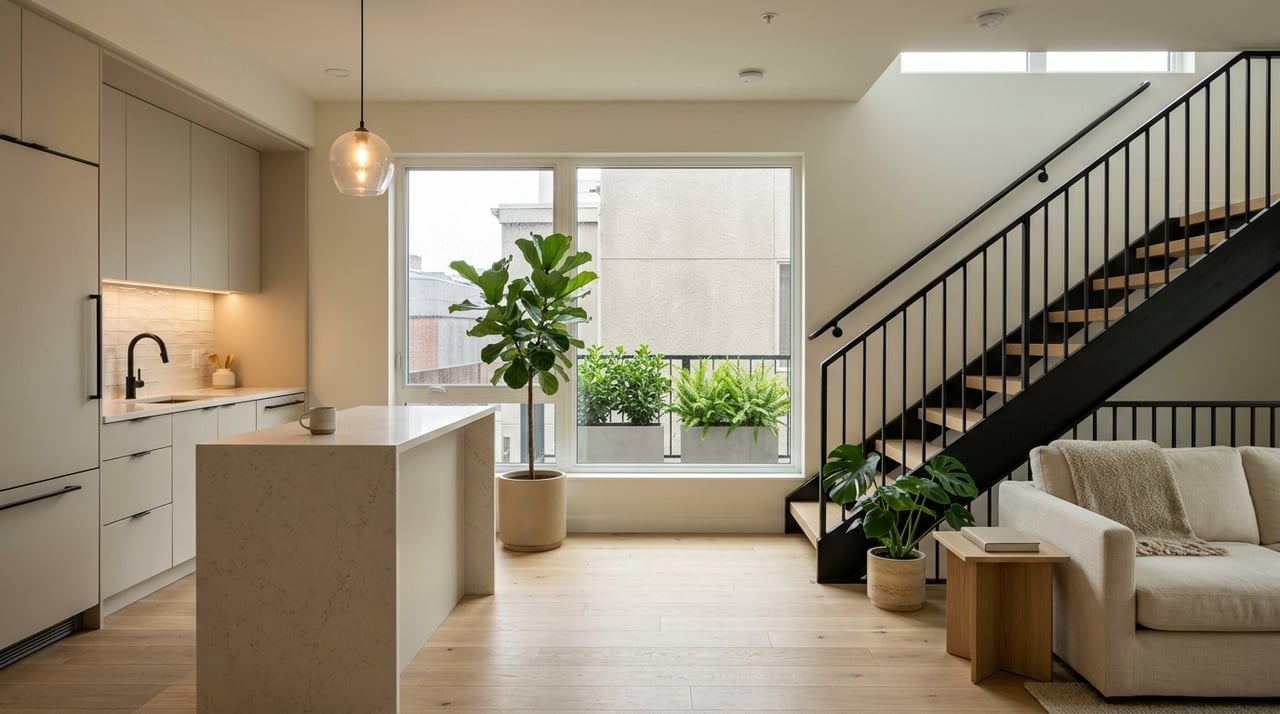
Many buyers choose townhomes because they like the layout. Multiple levels, direct entry, and shared side walls often create a more house-like experience.
Condos can be a great fit if you care more about simplified upkeep, shared amenities, or a lock-and-leave lifestyle. In Columbia City, where walkability and transit are major draws, both options can work well depending on your routine.
Columbia City’s historic district matters
This is where Columbia City becomes especially unique. The Columbia City Landmark District requires a Certificate of Approval before certain exterior changes can be made, including changes to buildings or structures, signs, awnings, additions, demolition, and exterior painting within the district.
What this means for you is important. If you are buying with future remodeling plans in mind, city approval may matter just as much as HOA approval. That is especially relevant for buyers who want more freedom to customize visible exterior features later.
In practical terms, this can affect condos and townhomes differently depending on the building and location. If exterior flexibility is high on your list, it is worth asking detailed questions early.
Why transit access supports both options
Columbia City is especially appealing if you want strong transit access built into your daily routine. The light rail station has no Sound Transit parking, but it does offer bike storage and connections to nearby bus service.
That setup supports buyers who expect to walk, bike, or ride transit regularly. If your lifestyle is built around commuting by rail or staying connected without relying heavily on a car, both condos and townhomes here can offer lasting convenience.
This is one reason Columbia City attracts many first-time buyers and commuters. You are not just buying a home type. You are choosing how you want to live day to day.
What to review before you decide
No matter which direction you lean, your due diligence matters. In Columbia City, the legal structure, association finances, and future flexibility can have a major impact on whether a home feels like the right fit after closing.
Here are the key items to review:
- Confirm the legal structure. Is it a condo, a townhome, or a townhouse-style condo?
- Review what the dues cover. Ask how much goes toward operations and how much goes into reserves.
- Check financial records. Washington law requires associations to keep financial records and prepare annual financial statements.
- Look at the reserve study. Reserve-study disclosures warn that missing reserve items can lead to special assessments later.
- Read meeting minutes and budgets. They can reveal upcoming projects, recurring issues, or financial pressure points.
- Confirm loan fit. If you are buying a condo, confirm whether the project is warrantable for your intended loan type.
- Ask about exterior changes. In the landmark district, city approval may apply in addition to association approval.
How to think about the right fit
If you are deciding between a condo and a townhome in Columbia City, start with your real priorities instead of the label. Think about how much maintenance you want to handle, how comfortable you are with HOA oversight, and how important layout and exterior flexibility are to you.
A condo may be the better fit if you want a lower-maintenance lifestyle and do not mind a more shared ownership structure. A townhome may be the stronger option if you want a more house-like layout and a bit more separation in how the home lives.
In Columbia City, there is one more layer to keep in mind: the neighborhood itself. Its pedestrian-oriented historic core and strong light rail access make long-term lifestyle fit just as important as the floor plan.
The best choice is the one that supports your routine now and still feels right a few years from today. If you want help comparing options, reviewing HOA documents, or understanding how a specific Columbia City property is structured, Savanna Taylor can help you make a calm, informed decision.
FAQs
What is the difference between a condo and a townhome in Columbia City?
- A condo usually means you own your unit and share ownership of common areas, while a townhome usually has a more house-like multi-level layout with a shared wall. In Columbia City, some homes that look like townhomes may still be legally condos.
Are condo dues included in your mortgage payment in Columbia City?
- No. HOA and condo dues are typically paid directly to the association and are separate from your mortgage payment.
Why do reserves matter when buying a condo or townhome in Columbia City?
- Reserve funds help cover future repair and replacement costs. If reserves are underfunded, owners may face special assessments later.
Does the Columbia City Landmark District affect exterior home changes?
- Yes. Within the district, certain exterior changes may require a Certificate of Approval from the city, which can matter in addition to any HOA approval requirements.
Is a townhouse-style home always legally a townhome in Columbia City?
- No. Some homes that look like townhomes are legally condominiums, so you should verify the legal structure through the title documents and declaration.
Is Columbia City a good fit for buyers who want transit access?
- Yes. Columbia City Station is on the 1 Line and offers accessible light rail access, bike storage, and nearby bus connections, which supports a less car-dependent lifestyle.