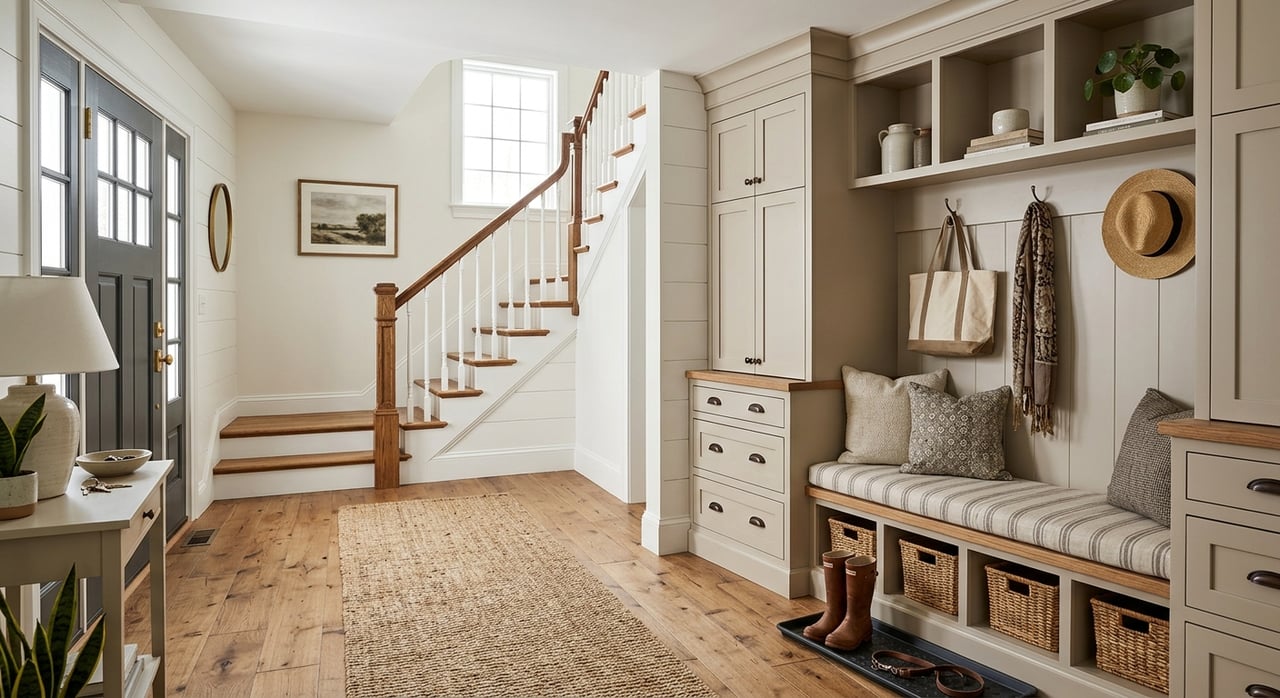
Thinking about trading your Genesee home for a little more space nearby? Coordinating a sale and purchase in the same neighborhood can feel like juggling timelines, financing, and moving trucks on steep West Seattle streets. You want minimal disruption, a strong sale price, and a confident offer on your next home. In this guide, you’ll learn the best move-up paths, how to strengthen your offer, key financing and timing rules, and the Seattle logistics that keep moving day calm. Let’s dive in.
Genesee market: what to know now
Genesee sits near the higher end of West Seattle values, with recent neighborhood medians in the mid to high $800ks and tight local supply. Countywide, inventory increased year over year in early 2026, while King County’s median sales price hovered near $840,000 as of February 2026. More county inventory can improve buyer choice overall, but Genesee micro-markets can still move fast. That means your plan should assume desirable move-up targets may attract quick offers.
What this means for you: budget with Genesee-specific comps, expect variation by micro-location and home size, and be prepared that contingent offers may be less competitive on standout listings.
Pick your move-up path
Sell first: maximize certainty
Selling first reduces financial overlap and clarifies your proceeds for the next purchase. It works best if you can use short-term housing or storage between closings. A typical financed closing runs about 30 to 45 days, while a cash sale can close faster. Plan your listing timeline, then target your purchase once you are under contract or closed. PNC explains average closing timelines so you can map dates with your lender and title team.
Pros:
- Clear proceeds and less risk.
- Fewer financing complications.
Cons:
- Possible temporary housing and storage.
- Two moves if you cannot align closings.
Buy first without a home-sale contingency
Buying first gives you the strongest position with sellers. To do this, you need access to your equity through a bridge loan, HELOC, or a buy-before-you-sell program. Bankrate’s bridge loan guide outlines structures, pros, and cons so you can compare options.
Pros:
- Strongest offer power with no sale contingency.
- More control over timing and move-in.
Cons:
- Carrying costs if your current home takes longer to sell.
- Higher rates or fees for short-term financing.
Buy and sell with a contingency
A home-sale contingency can work in balanced conditions or when your home is already under contract. In tighter Genesee pockets, sellers often prefer non-contingent offers or will require a kick-out clause that lets them accept a better offer if one comes in. Rocket Mortgage’s overview of contingencies explains why sellers seek lower risk and faster certainty.
Pros:
- Less financial overlap.
- Potential for a single, direct move.
Cons:
- Weaker offer in competitive situations.
- Possible kick-out if a stronger buyer appears.
Make your offer stronger
When you need to go contingent
A contingent offer is more compelling when you show clear progress selling your home. To improve acceptance odds:
- List your Genesee home before you write the offer, or show strong listing readiness.
- Keep the contingency window short, ideally 30 days or less if feasible.
- Provide proof of marketability, such as pricing analysis, photos, or a live listing link.
- Consider larger earnest money and flexibility on the seller’s preferred closing or rent-back timeline.
- If the seller requests a kick-out clause, ensure you fully understand the notice period and removal terms. AmeriSave’s guide on simultaneous buy-sell highlights why contingencies are acceptable but often less competitive without strong evidence.
If you want to avoid contingencies
If you must compete for a standout Genesee home, plan to remove the sale contingency by using a bridge loan or equity-access option. Bankrate’s bridge loan summary covers lender requirements and exit strategies so you can plan conservatively. Be sure your lender can close on your target timeline and that you have a clear plan to repay once your current home sells.
Costs, timelines, and loan rules
Closing timelines to expect
Most financed transactions close in roughly 30 to 45 days, depending on appraisal and underwriting. That timing affects rate locks, rent-back needs, and your moving date. Coordinate closely with your lender and title team to set realistic dates and build in a little buffer. For a quick refresher, see PNC’s overview of days to close.
Washington REET and seller costs
Washington’s Real Estate Excise Tax is due at transfer and uses a graduated rate structure with possible local add-ons. Budget for REET in your net proceeds, and confirm current brackets and any local rates before listing. The state’s updated local rate notice provides helpful context for planning your final numbers. Review the Bloomberg Tax update on Washington REET for a summary and check with your escrow team for a detailed estimate.
Also plan for title and escrow fees, inspection credits or repairs, and any buyer concessions. Build a conservative buffer so your move-up budget holds even if negotiations shift late in the process.
Rent-backs and occupancy rules
Seller or buyer rent-backs can help align move-out and move-in. Government-backed loans often have occupancy timing rules that can limit long rent-backs. FHA typically expects owner occupancy within a short period after closing, often interpreted as about 60 days, and an intent to occupy for the initial period. Review guidance with the lender and confirm in writing. You can reference FHA updates at HUD’s resource page.
VA loans also require occupancy in a reasonable time, commonly understood as about 60 days. If a buyer is using VA financing, clear any post-closing occupancy with their lender before agreeing. See the VA Lender’s Handbook on occupancy timing in this reference copy.
West Seattle logistics that save time
Reserve curb space early
Genesee’s residential streets can be narrow with limited on-street parking. If your moving truck or container needs curb access, apply for a Temporary No Parking Zone through SDOT and post signs at least 72 hours in advance where required. Start early, especially during peak season. Learn how to apply and post signage through SDOT’s Temporary No Parking page.
If you plan to place a portable storage container or residential dumpster in the right-of-way, you also need a Street Use permit and must follow clearance rules from hydrants and intersections. Get details on placement and permits from SDOT’s storage container permit page.
Confirm truck access around Genesee
Walk your block to note overhead lines, tight turns, and steep grades that could affect a box truck. Ask your mover if they handle no-parking sign pickup or if you should do it. Schedule loading and unloading for off-peak hours to reduce delays and stress.
Coordinate a clean handoff
If either side needs a short rent-back, spell out the deposit, daily rate, utilities, holdover fee, and move-out date. Confirm the buyer’s lender will accept the duration, especially for FHA or VA. Do a quick pre-move walkthrough checklist so both sides agree on condition.
Three sample timelines
Sell first plan
- Weeks −2 to 0: Prep and list your Genesee home. Use targeted improvements to maximize first-week momentum. If a few updates would help, explore Compass Concierge to front certain costs and repay at closing, subject to program terms.
- Under contract to close: Plan 30 to 45 days for a financed buyer. Line up temporary housing or storage and stay in touch with your lender on rate locks and clear-to-close.
- After closing: Make offers on your next home with full proceeds in hand and a flexible close date.
Buy first plan
- Pre-approval: Secure financing and, if needed, a bridge loan or HELOC. Review Bankrate’s bridge loan overview to understand costs and exit timing.
- Offer: Write a clean, non-contingent offer with realistic dates. Coordinate appraisal and underwriting milestones for a smooth close.
- After purchase: List and sell your current home, then pay off the bridge or replenish savings.
Contingent plan
- Prep and list: Launch your Genesee home first with a realistic price and strong marketing.
- Offer contingent: Keep the contingency short and include evidence your home is market-ready or under contract. Be open to a kick-out clause.
- Align closings: Aim to close both homes within days and use a short rent-back if needed. Confirm lender approval before finalizing any post-closing occupancy.
Quick action checklist
- Market readiness: Get a Genesee-specific CMA and professional photos. Prioritize small updates with clear ROI and consider Compass Concierge if it helps your launch.
- Financing plan: Get fully pre-approved and review options to access equity if you need to buy first. Run carry-cost scenarios for several months.
- Offer strategy: If you must include a sale contingency, keep it short and add strong proof of marketability. Consider larger earnest money and seller timing flexibility.
- Occupancy terms: If either party needs a rent-back, confirm lender rules in writing, especially for FHA or VA loans.
- Seattle logistics: Reserve curb space early through SDOT’s no-parking program and secure any needed container permits through SDOT’s container permit page.
- Closing dates: Expect 30 to 45 days for financed deals. Build a small buffer for appraisal, underwriting, and final walkthroughs.
Ready to map your Genesee move-up with less stress and more certainty? I’ll help you choose the right path, strengthen your offer, and coordinate the details from pricing and Compass Concierge to SDOT permits and closing timelines. Let’s build a plan that fits your family and your budget. Connect with Savanna Taylor to get started.
FAQs
What should Genesee sellers know about current pricing?
- Genesee often tracks in the mid to high $800ks, with tight local supply. Use neighborhood comps and plan for some listings to move quickly depending on condition and micro-location.
How long does a financed closing usually take in Seattle?
- Most financed closings take about 30 to 45 days, which affects rate locks, rent-backs, and moving dates. Coordinate early with your lender and escrow to set realistic milestones.
When is a sale contingency acceptable in West Seattle?
- A sale contingency can work in balanced conditions or when your home is already under contract, but it is usually less competitive for standout Genesee homes. Keep the timeline short and provide strong proof your home will close.
What are the pros and cons of a bridge loan?
- Pros include making a stronger, non-contingent offer and more control over timing. Cons include higher short-term costs and the risk of carrying two mortgages if your current home takes longer to sell.
How do rent-backs interact with FHA or VA loans?
- FHA and VA generally expect owner occupancy within a reasonable period, often about 60 days. Long rent-backs can conflict with those rules, so confirm terms with the buyer’s lender before agreeing.
What Seattle permits help on moving day?
- Reserve a Temporary No Parking Zone for your moving truck and secure a Street Use permit if placing a storage container or dumpster in the right-of-way. Post required signage early to keep your curbspace clear.