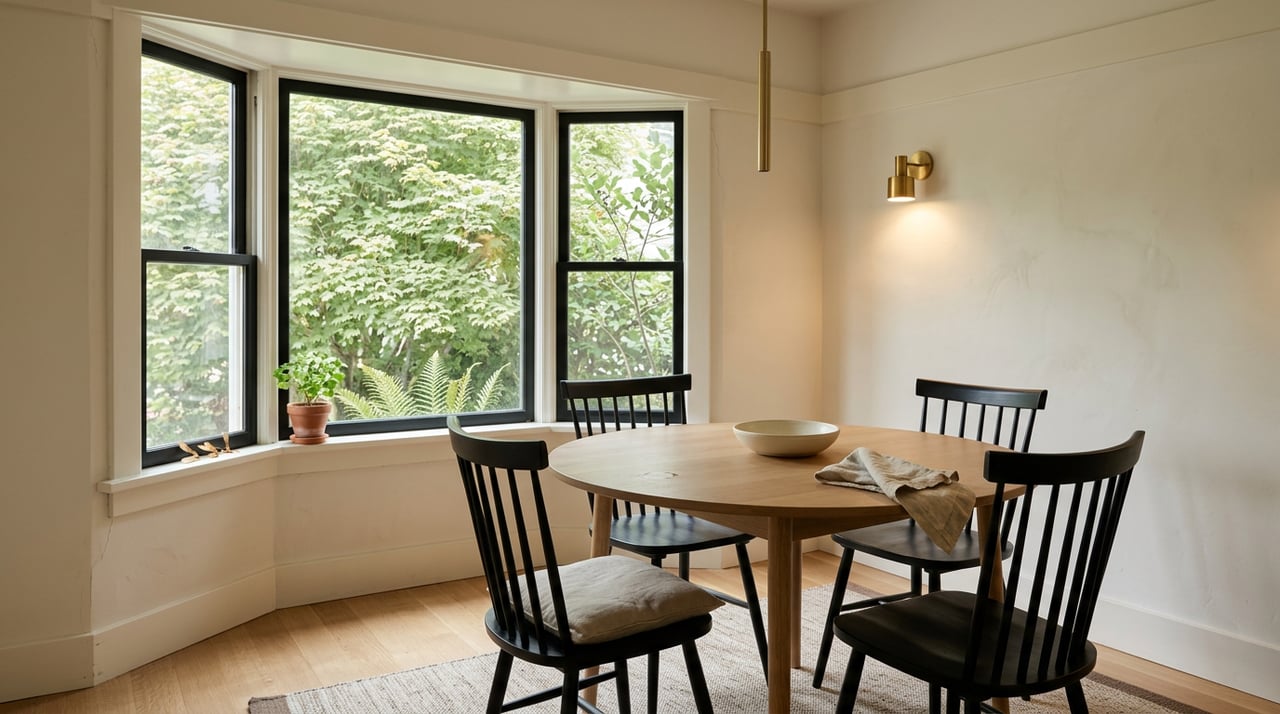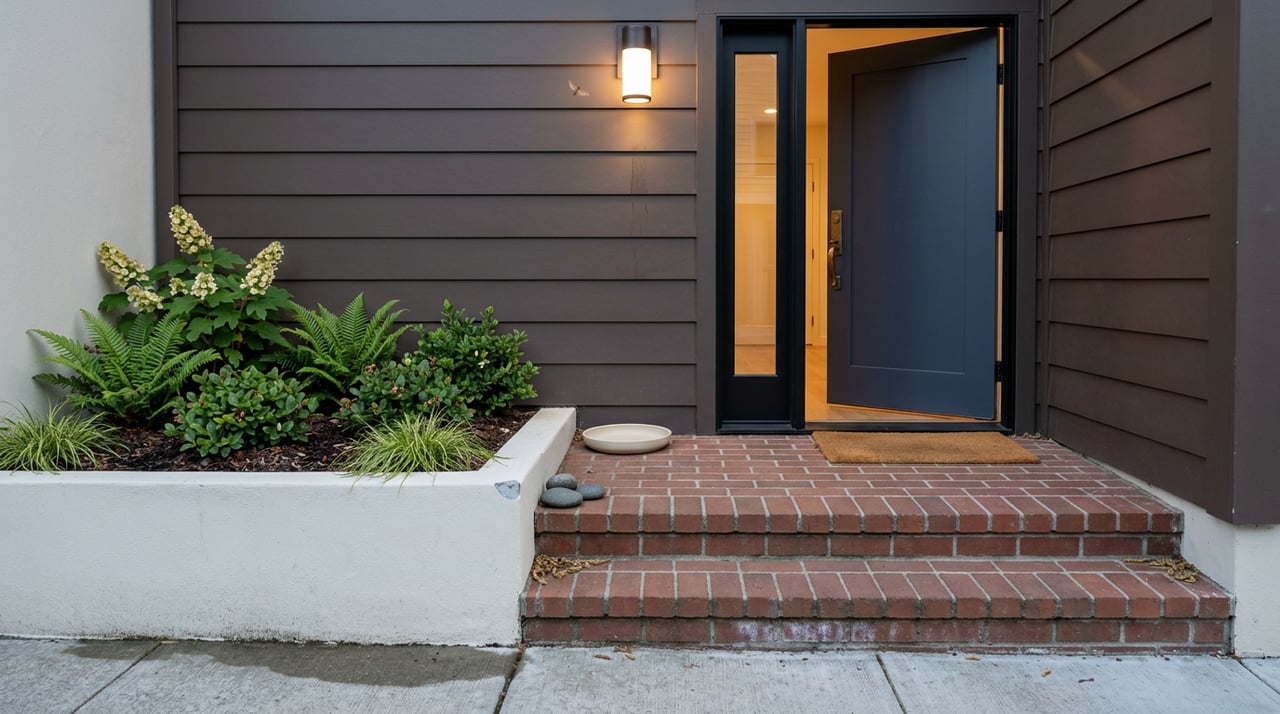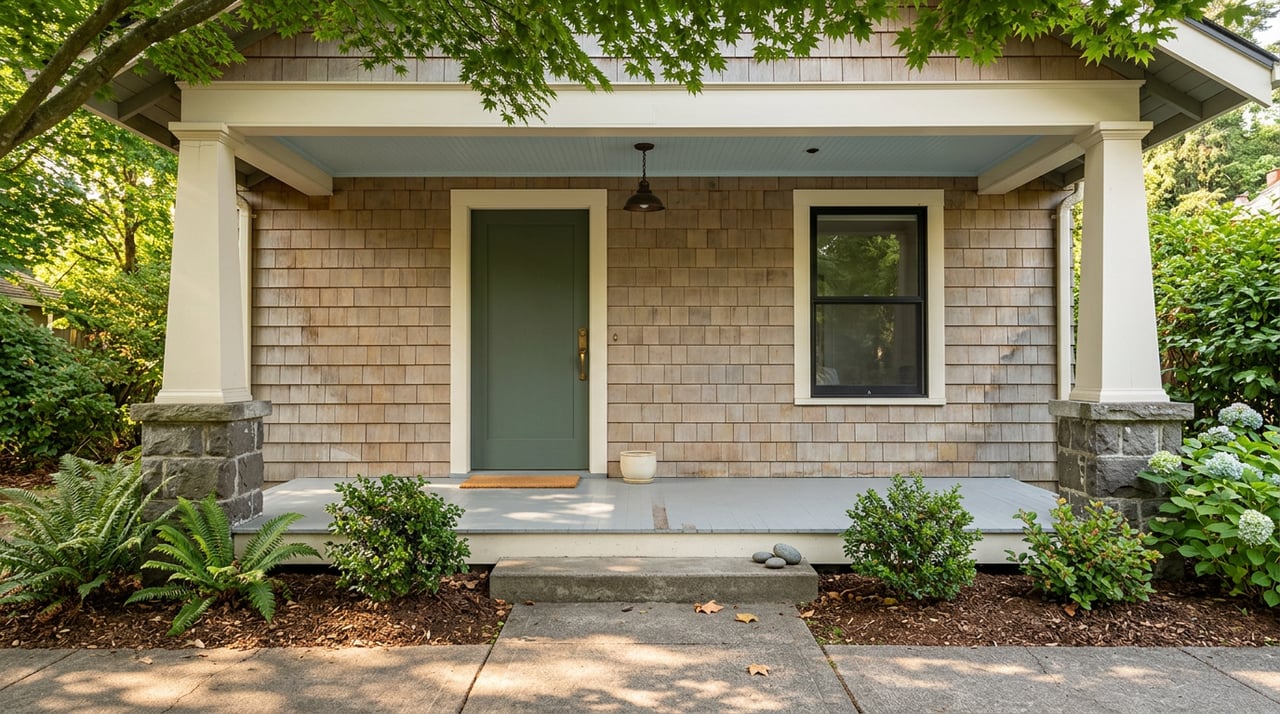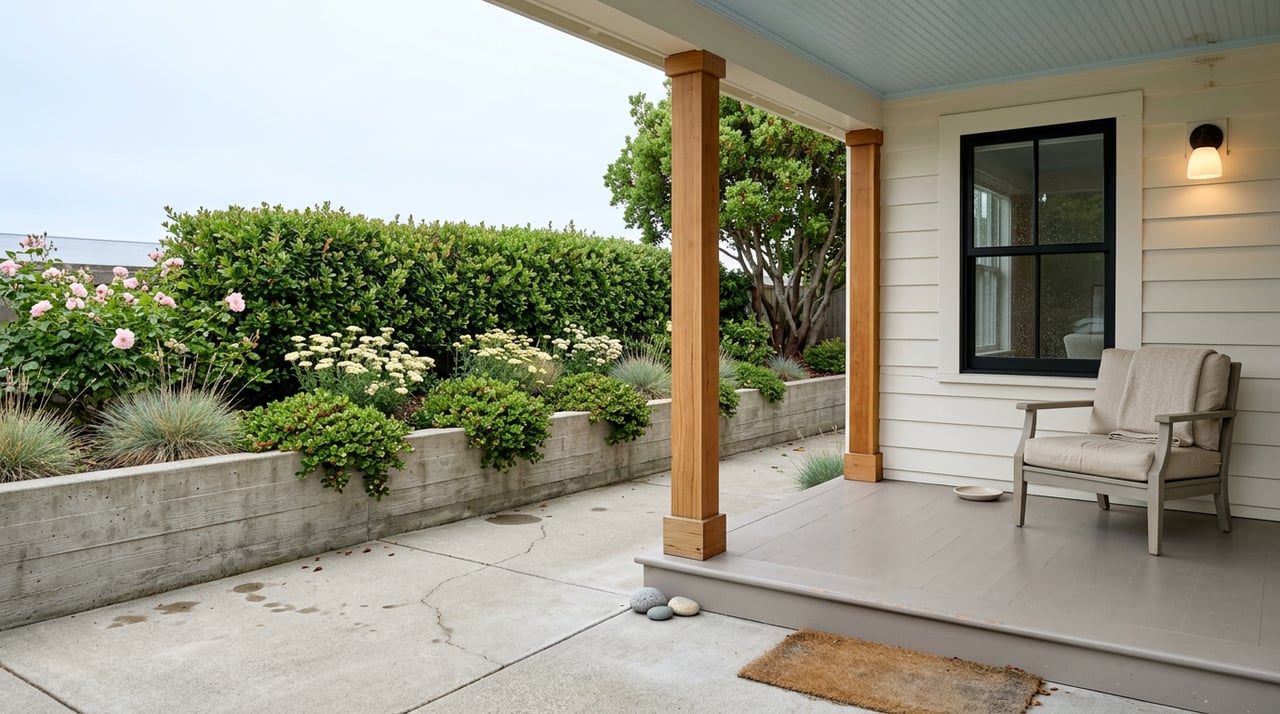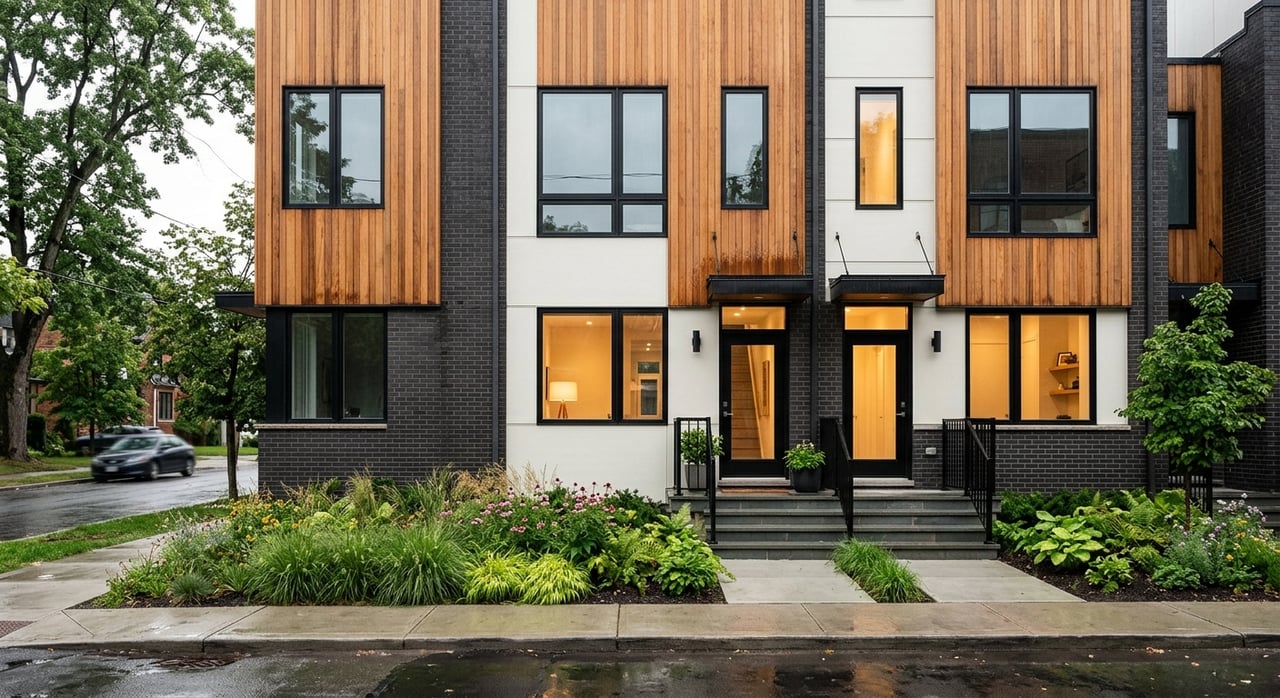
If you’re trying to choose between a Ballard condo and a townhome, you’re not alone. For many Seattle buyers, Ballard stands out because it offers a more walkable lifestyle, a strong mix of attached housing, and a wider range of price points than many detached-home searches. The good news is that once you know what to compare, the decision gets much clearer. Let’s dive in.
Why Ballard attracts attached-home buyers
Ballard offers a combination many buyers want: a neighborhood feel with an urban setup. According to the City of Seattle’s Ballard urban village materials, the Ballard Hub Urban Village is a dense mixed-use area with nearly 10,100 residents and 5,100 jobs.
That matters because condos and townhomes tend to make the most sense in places where you can easily access daily needs. The same Ballard snapshot from Seattle shows a renter share of 49.5%, median household income of $123,893, and bachelor’s degree attainment of 72.6%, which helps explain why the neighborhood often appeals to first-time buyers, move-down buyers, and people looking for an attached home instead of a detached house.
Seattle’s land-use rules also help explain Ballard’s housing mix. The city’s Neighborhood Residential Code allows attached housing such as townhouses in moderate-density residential zones, and Ballard has been identified in city zoning discussions as a growing neighborhood with lowrise areas near frequent transit.
Ballard market snapshot
If you are comparing options right now, price and pace are important. As of February 2026, Redfin reported on its Ballard housing market page that the median sale price was $890,000, homes were selling in about 38 days, and listings were receiving 2 offers on average.
That same source also labeled Ballard very competitive and gave it a Walk Score of 90. What this means for you is simple: buyers are often balancing location and convenience against square footage, storage, parking, and outdoor space.
Looking specifically at attached homes, Redfin’s April 2026 Ballard condo and townhouse inventory pages showed 37 condos for sale with a median listing price of $464,000 and 56 townhouses for sale with a median listing price of $792,000. Those numbers are time-sensitive, but they highlight a consistent pattern in Ballard: condos usually offer the lower entry point, while townhomes often cost more because they may offer more space, parking, or newer construction.
Ballard condos vs. townhomes
Choosing between the two usually comes down to budget, monthly costs, and how you want to live day to day. Neither is automatically better. The right fit is the one that supports your lifestyle and your long-term comfort with the payment.
What Ballard condos often offer
Ballard condos can be a practical option if your top priority is getting into the neighborhood at a lower price point. Current listings commonly show features like private patios, updated kitchens, quartz or granite counters, mini-split A/C, and hardwood flooring, based on Redfin’s current Ballard inventory.
In some parts of Ballard, newer small-scale condo projects are also part of the mix. The King County Assessor’s West Ballard appraisal report notes that since 2019, developers have increasingly built structures in residential areas and converted them into small condominium developments.
That same report says these projects can support about three condominiums on a typical Ballard lot and may sell from the mid-$600,000s to more than $1 million, depending on size and other factors. In other words, Ballard condos are not all large mid-rise units. Some compete directly with townhomes in layout, design, and pricing.
What Ballard townhomes often offer
Townhomes usually appeal to buyers who want more separation, more flexible space, or features that feel closer to a detached home. Ballard townhouse listings often include garages or dedicated parking, rooftop decks, fenced yards or patios, and occasional new-construction options.
Ballard also has a meaningful supply of townhomes compared with many Seattle neighborhoods. The King County Assessor’s East Ballard report says the area contains 1,212 townhome-style residences, with townhome construction starting around 2000 and 505 built since 2018.
The West Ballard appraisal report shows a similar pattern, with 1,818 townhome-style residences and development starting in the late 1990s and continuing today. For you, that often means a newer housing option than many of Ballard’s detached homes.
How to compare total monthly cost
This is where many buyers can get tripped up. The purchase price matters, but your real question should be: what will this home cost you each month, and how stable is that number likely to be?
With a condo or townhome, your monthly payment may include principal, interest, taxes, insurance, and HOA dues. Some attached homes may have lower dues, and in rare cases current listings even advertise very low HOA costs, but a low HOA fee is not always a sign of lower risk.
Washington law requires condo resale disclosures to include important financial and operational details. Under RCW 64.34.425, the resale certificate must disclose common expense assessments, unpaid assessments, special assessments, other fees, anticipated repairs above a threshold, reserve-study status, financial statements, operating budgets, insurance coverage, litigation, rental restrictions, and governing documents.
That is a long list, but it protects you. It also means you should not judge a condo or townhome by list price alone.
Why reserve studies matter
Reserve studies are one of the most important pieces of due diligence for attached homes. Washington’s reserve-study rules specifically point to major repair and replacement items such as roofs, painting, paving, decks, siding, plumbing, and windows.
What this means for you is straightforward: if an HOA has not been saving enough for future repairs, owners may face higher dues or special assessments later. So if you see an attractive monthly fee, it is smart to ask whether the building is actually well-funded or simply postponing costs.
Documents to review before moving forward
When you are serious about a Ballard condo or townhome, these are the documents worth reviewing closely:
- Declaration
- Bylaws
- House rules
- Recent HOA meeting minutes
- Current reserve study
- Annual financial statements
- Operating budget
- Insurance summary
- Disclosures about rental caps
- Disclosures about age restrictions
- EV charging rules
- Alteration rules
- Code violations
- Pending legal action
These are the items most likely to reveal whether a property is financially healthy and operationally well-managed under Washington’s resale disclosure rules.
What resale value often comes down to
In Ballard, attached homes tend to stand out on resale when they combine a practical location, parking, and clear building health. The King County West Ballard report notes that homes nearest downtown Ballard benefit from walkable access to retail, restaurants, grocery stores, medical offices, and bus service to downtown Seattle and the University of Washington.
The same report also notes that vehicular access can be challenging on 15th Avenue Northwest because of heavy traffic. So when you compare homes, think beyond finishes. Parking, street noise, and commute flow can all shape your day-to-day experience and future resale appeal.
Features buyers often value later
If you are thinking ahead, these factors may have an outsized impact on resale in Ballard:
- Parking or a garage
- Outdoor space like a patio, yard, or rooftop deck
- Walkable access to Ballard amenities
- Clear HOA records and organized documents
- Healthy reserves and predictable maintenance planning
- Sound building condition, especially roofs, siding, windows, and decks
Because Ballard’s detached housing stock is often older while many attached homes are newer, buyers should pay close attention to the age and condition of exterior systems. The local housing mix described in the King County appraisal reports makes that a practical point of comparison.
A simple way to choose
If you are torn between a condo and a townhome, start with three questions.
What monthly payment feels comfortable?
Use the total number, not just the mortgage. Include dues, taxes, insurance, and any likely maintenance or assessment risk.
What kind of space do you need?
If you want easier entry pricing and are comfortable with shared elements, a condo may fit well. If you want more room, parking, or a layout that lives more like a house, a townhome may be worth the higher price.
How much building risk are you comfortable taking on?
A polished kitchen is nice, but building health matters more over time. Strong reserves, clear records, and realistic maintenance planning can protect you from expensive surprises.
If you’re weighing Ballard condos and townhomes and want a calm, strategic read on the tradeoffs, Savanna Taylor can help you compare the full picture, from monthly costs to resale factors, so you can move forward with more clarity and confidence.
FAQs
What is the price difference between Ballard condos and townhomes?
- In Redfin’s April 2026 Ballard inventory snapshot, condos had a median listing price of $464,000 while townhouses had a median listing price of $792,000, though current listings can change over time.
What should Ballard condo buyers review in HOA documents?
- Ballard condo buyers should review dues, special assessments, reserve studies, financial statements, insurance, litigation, rental restrictions, alteration rules, and other resale certificate documents required under Washington law.
How old are many Ballard townhomes?
- In the King County appraisal areas covering Ballard, townhome construction began around 2000 in East Ballard and in the late 1990s in West Ballard, with substantial new development added in recent years.
Why do some Ballard townhomes cost more than condos?
- Ballard townhomes often command higher prices because they may offer more square footage, parking, rooftop decks, fenced outdoor space, or newer construction.
What matters most for Ballard attached-home resale value?
- In Ballard, resale often comes down to location, parking, outdoor space, building condition, and whether the HOA appears financially healthy and well-organized.