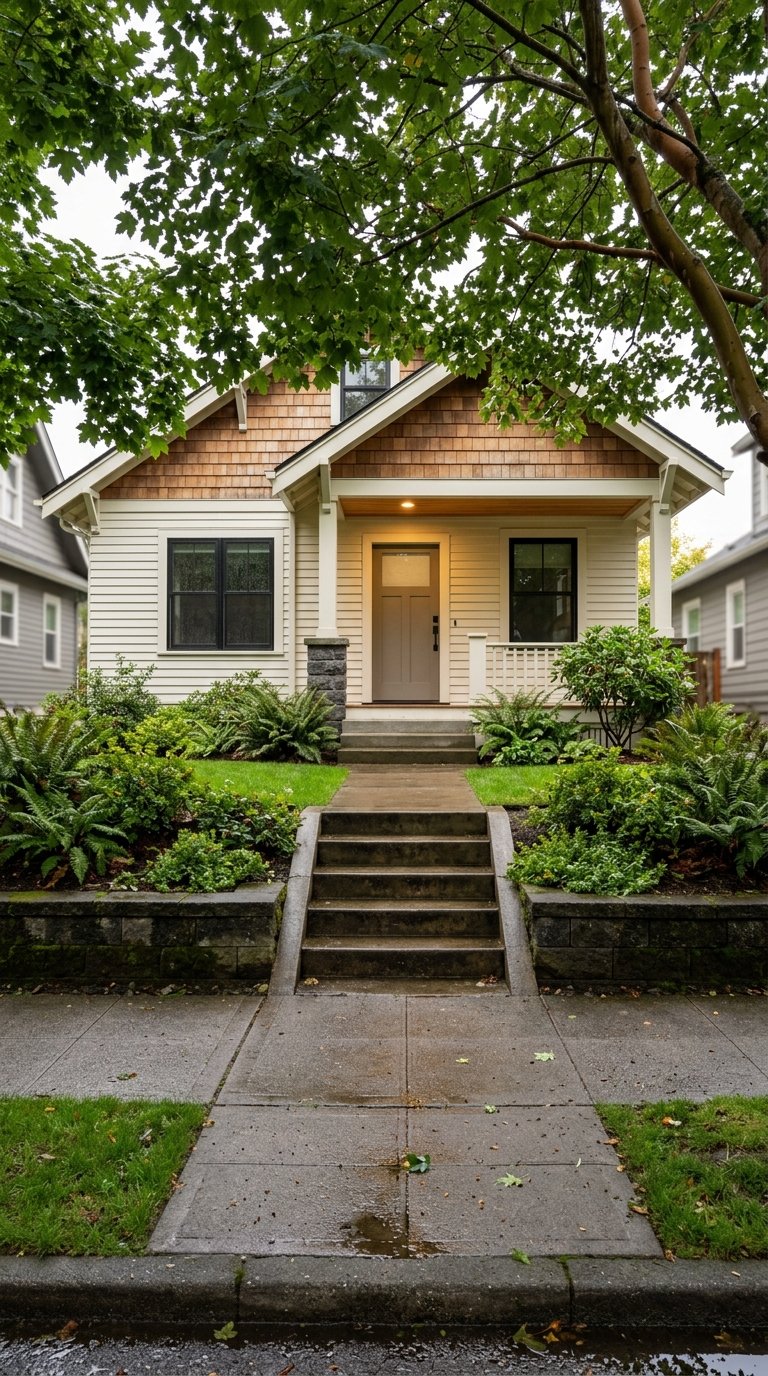
If you want a Seattle neighborhood that feels close to the city without feeling overly busy, Madrona is worth a closer look. It offers a rare mix of lake access, green space, and a compact neighborhood center, all within easy reach of downtown. For buyers and sellers alike, understanding that balance can help you decide whether Madrona fits your goals. Let’s dive in.
Why Madrona Stands Out
Madrona sits on the eastern edge of Seattle overlooking Lake Washington, and that setting shapes much of its appeal. According to HistoryLink’s neighborhood history, Madrona grew in part around the old Union Trunk Line streetcar route and developed into a neighborhood known for views, green space, a lakeside park, and convenient access to downtown.
Today, Seattle planning materials place the neighborhood center around 34th Avenue and East Union Street, with SDOT referring to the surrounding area as the Madrona business district. In practical terms, that means you get a clearly defined commercial core surrounded by mostly residential streets, which gives the area a more village-like feel than many busier in-city neighborhoods.
Madrona’s Overall Feel
Madrona is best understood as a close-in Seattle neighborhood with a calmer rhythm. That quieter feel is not a formal designation, but it is a reasonable takeaway from the neighborhood’s lakefront setting, wooded park spaces, and small-scale business corridor, all noted in local historical and city sources.
What this means for you is simple: if you want in-city living with daily conveniences nearby, but you also care about having space to breathe, Madrona may check a lot of boxes. It feels connected without feeling chaotic.
Parks and Lake Access
One of Madrona’s biggest draws is how much outdoor access is built into daily life. The neighborhood’s public spaces do a lot to define its identity, especially if you enjoy walking, spending time near the water, or having parks woven into the neighborhood fabric.
Madrona Park and Beach
Madrona Park is the signature outdoor feature here. Seattle Parks says the park includes a wooded hillside, grassy beach, swimming area with summer lifeguards, jogging path along Lake Washington, picnic sites, fishing piers, grills, trails, and a play area.
That is a lot of variety in one park. For you, it can mean easier access to everyday outdoor time, whether that looks like a morning walk, a summer swim, or a simple picnic by the lake.
Madrona Ravine
Madrona Ravine connects to the park and adds another layer to the neighborhood’s green character. Seattle Parks describes it as a small natural area with wooded slopes, a creek, and a waterfall.
Spaces like this help explain why Madrona often feels more tucked away than its location might suggest. Even though you are still in Seattle, the natural setting can make the neighborhood feel more settled and restorative.
Other Neighborhood Green Spaces
Madrona also includes other useful public spaces beyond the lakefront. Madrona Playground offers tennis courts, basketball courts, a soccer field, and play space near Madrona K-8 School.
Alvin Larkins Park, near the 34th and East Pike area, adds lawn space, benches, and seasonal landscaping. It also has a history of hosting picnics, barbecues, music, and other neighborhood events, which reinforces the area’s local, community-focused feel.
Daily Conveniences in Madrona
Madrona is not a large commercial district, and that is part of the appeal. The neighborhood’s practical core is compact, with businesses and mixed-use buildings clustered around 34th Avenue, East Pike, East Union, and Lake Washington Boulevard, based on Seattle’s historical-site inventory.
You can think of this area as an everyday-service strip rather than a major retail hub. Historical city records point to a mix that has included eateries, a market, a pharmacy, apartment buildings, and other neighborhood-serving uses.
For you, that often translates into convenience without the intensity of a larger urban business district. You have nearby places to stop into, but the neighborhood still reads as primarily residential.
Community Life and Local Identity
Madrona’s sense of place is shaped by more than its location. Community institutions and recurring neighborhood events help give it continuity and a more connected feel.
The Madrona Neighborhood Association focuses on community-building and beautification, and it highlights recurring events like cleanup day, Mayfair, the Summer Solstice Picnic, Music in the Playfield, and the Winter Market. These kinds of events suggest an active local culture centered on shared public spaces and neighborhood stewardship.
Another notable local institution is the Madrona-Sally Goldmark Branch of The Seattle Public Library, which the neighborhood association notes is housed in a former fire station and preserves neighborhood photos and scrapbooks. That kind of detail may seem small, but it adds to the feeling that Madrona has a strong sense of history and continuity.
Homes and Architecture
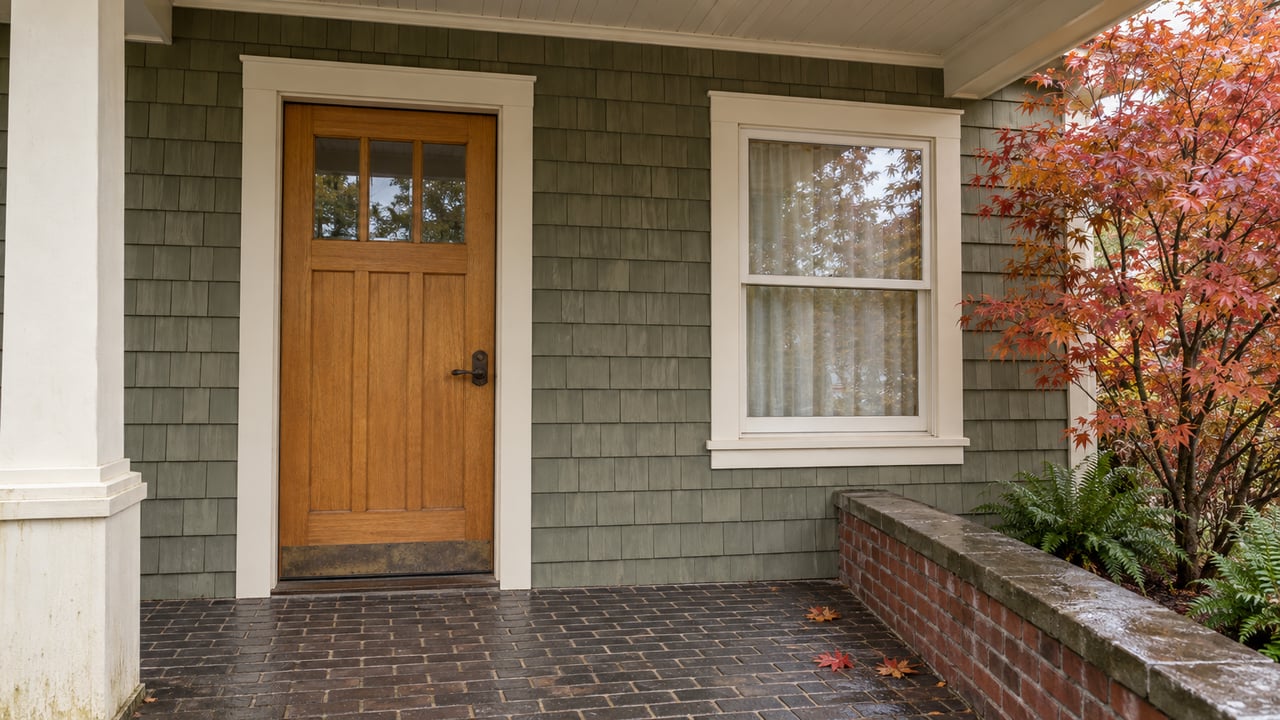
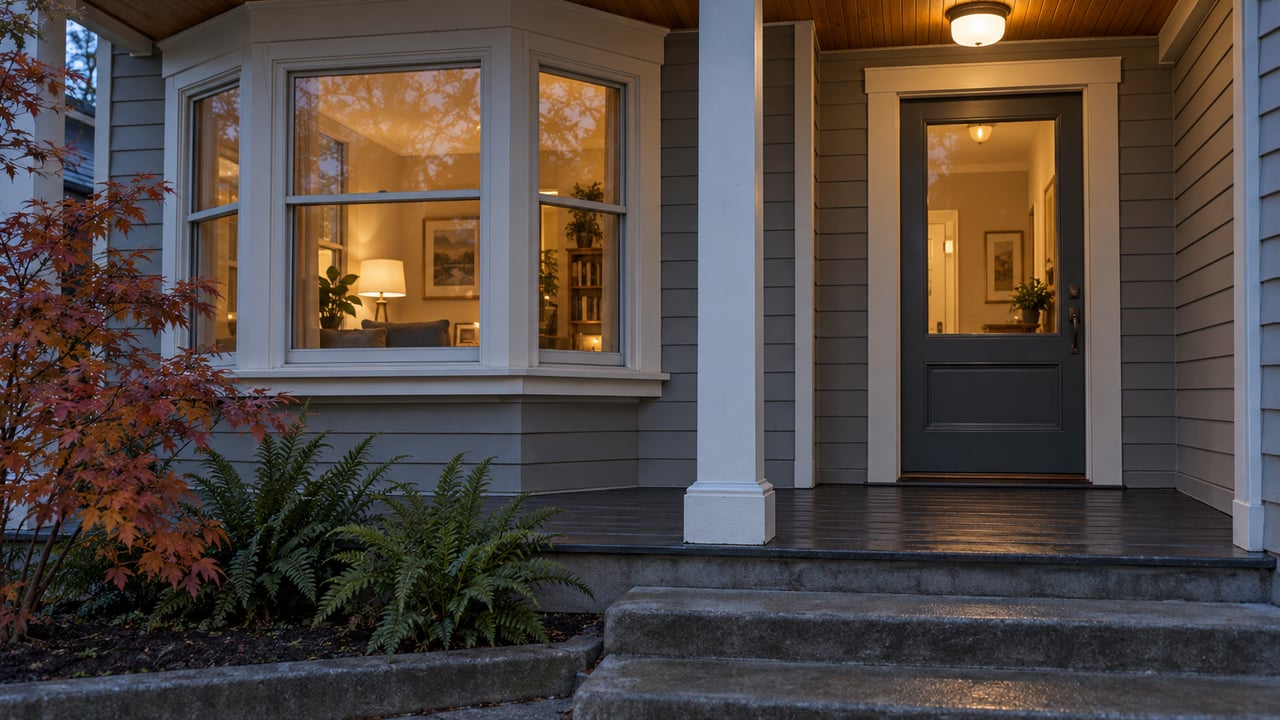
If you are curious about the housing stock, Madrona is not a one-note neighborhood. Its roots as one of Seattle’s early streetcar suburbs help explain why the architecture feels layered rather than uniform.
According to Historic Seattle and HistoryLink, Madrona has long included a wide variety of homes, from modest residences to some of the city’s more prominent historic houses. That supports a fair description of the neighborhood as character-rich, older, and visually varied.
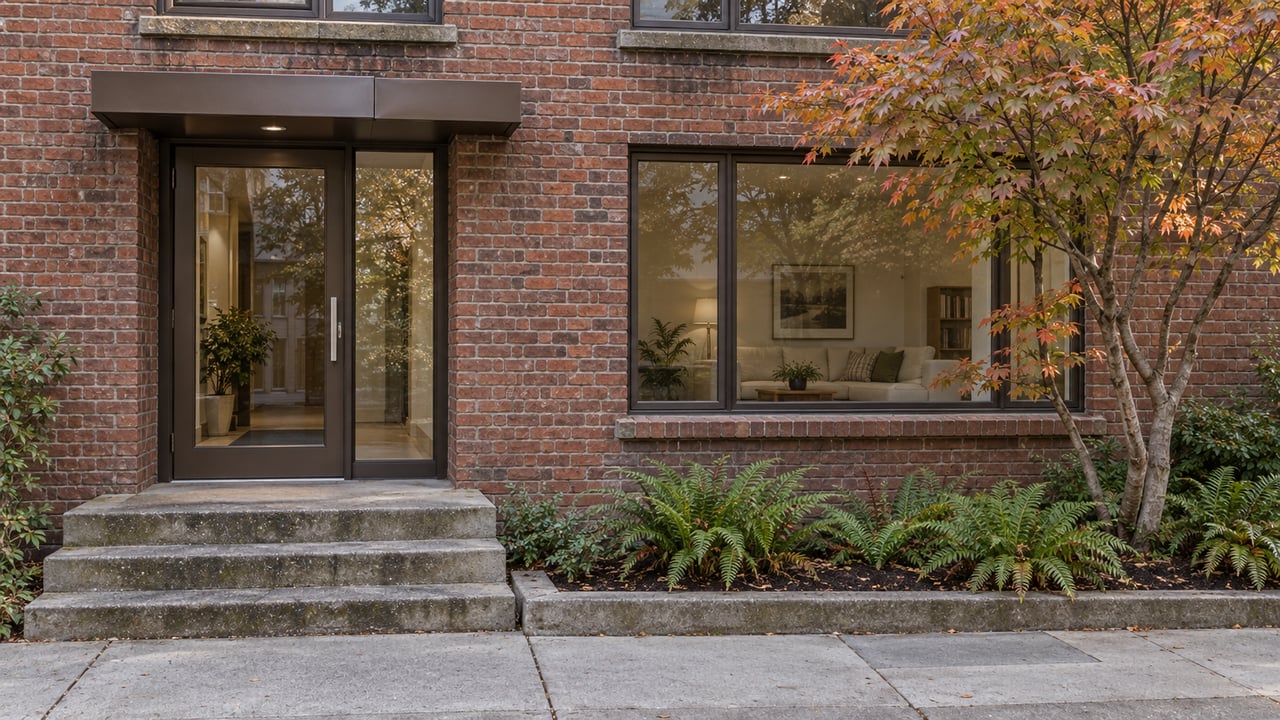
Current city inventories also point to a mix of homes, apartments, and small commercial or mixed-use buildings, especially closer to the neighborhood center. In general, you can expect detached houses to be the clearest housing type, with some apartment buildings and low-rise mixed-use properties appearing nearer the business district.
What This Means for Buyers
If you are buying in Madrona, it helps to know that the neighborhood offers a mix of settings within a relatively compact area. Streets closer to the commercial core may offer easier access to daily conveniences, while hillside and lake-oriented locations can bring a different feel and, in some cases, more prominent views.
It is also a neighborhood where housing character may matter as much as square footage on paper. If you are drawn to older homes, distinct architecture, or a location that blends city access with outdoor amenities, Madrona can be an appealing place to focus your search.
What This Means for Sellers
If you are selling in Madrona, the neighborhood’s identity is a major part of the story. Buyers are often responding not just to the home itself, but also to the setting: lake proximity, park access, residential feel, and the convenience of a compact business district.
That is where thoughtful positioning matters. When I work with sellers, strategy starts with understanding which parts of the neighborhood story are most relevant to the home and how to present that clearly from day one. If preparation is part of that plan, Savanna Taylor can also talk through options like pre-listing support through Compass Concierge where appropriate.
Is Madrona Mostly Residential?
Yes. Seattle planning materials identify the neighborhood center around 34th Avenue and East Union Street, while the broader neighborhood is defined more by residential streets, parks, and local gathering spaces than by large-scale commercial activity. You can review that context in the One Seattle district profile.
For many people, that balance is the sweet spot. You are not choosing between total quiet and urban convenience. Instead, Madrona offers a mix of both in a way that feels intentional and easy to understand.
Who Madrona May Appeal To
Madrona can appeal to a wide range of buyers because its strengths are practical as well as aesthetic. If you want access to Lake Washington, established homes, nearby parks, and a neighborhood center that supports daily life without dominating it, Madrona deserves consideration.
It can also be a strong fit if you value a more measured pace in an in-city setting. That does not mean isolated or sleepy. It means a neighborhood where natural features, residential streets, and community spaces shape the experience as much as the road network does.
If you are thinking about buying or selling in Madrona, having a calm, strategy-first guide can make the process feel much more manageable. If you want help understanding how Madrona fits into your Seattle search or sale plan, connect with Savanna Taylor for thoughtful, local guidance.
FAQs
Is Madrona in Seattle mostly residential or commercial?
- Madrona is mostly residential, with commercial activity concentrated around 34th Avenue and East Union Street according to Seattle planning materials.
What outdoor spaces define the Madrona neighborhood in Seattle?
- The main public green spaces are Madrona Park, Madrona Ravine, Madrona Playground, and Alvin Larkins Park.
What is the Madrona business district like in Seattle?
- Madrona’s business district is a compact neighborhood-serving corridor with mixed uses, including everyday conveniences rather than a large commercial center.
What types of homes can you expect in Madrona Seattle?
- Madrona includes a mix of older detached houses, some apartments, and low-rise mixed-use or commercial properties near the neighborhood core.
Why does Madrona feel calmer than some Seattle neighborhoods?
- Its lakefront location, wooded parkland, compact business center, and strong community institutions contribute to a lower-key atmosphere.