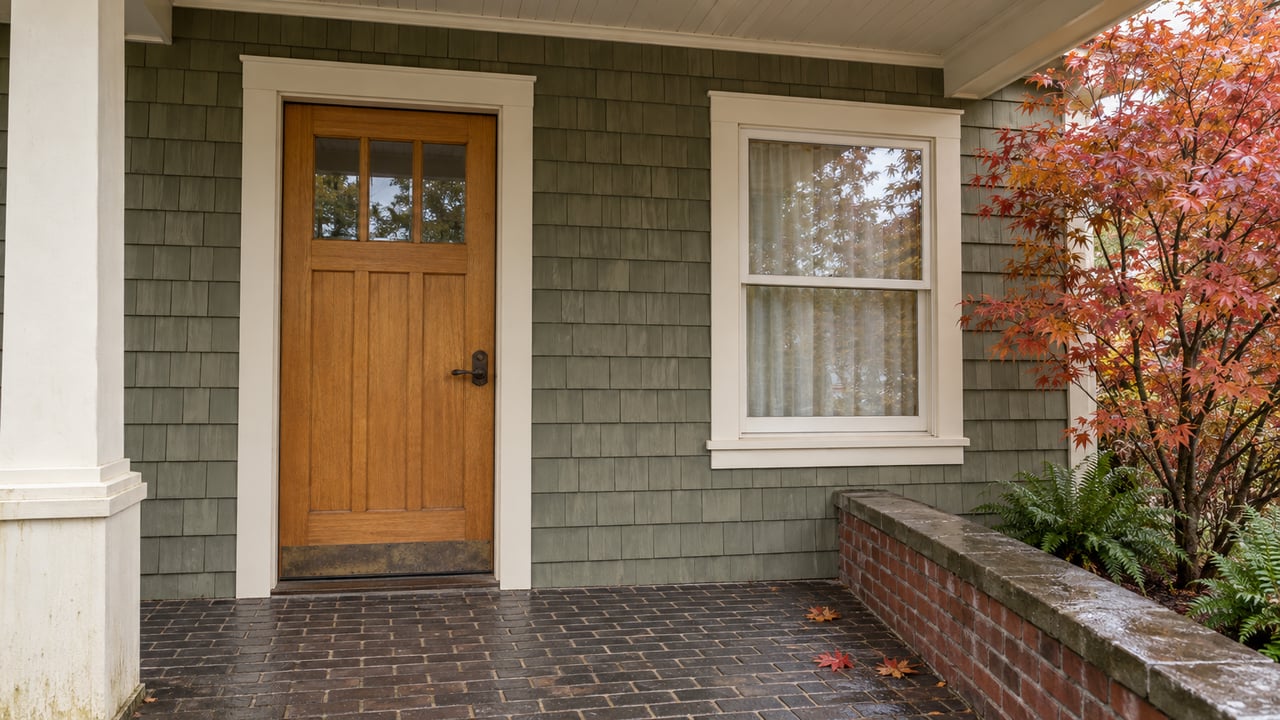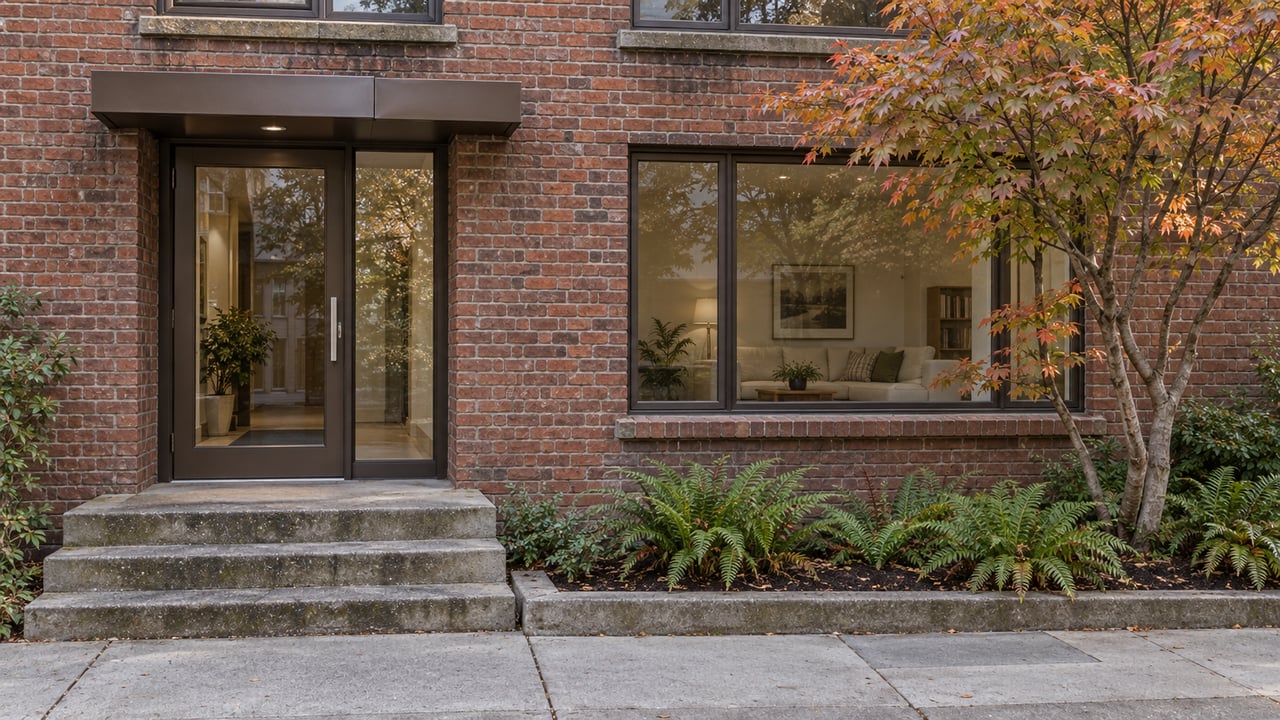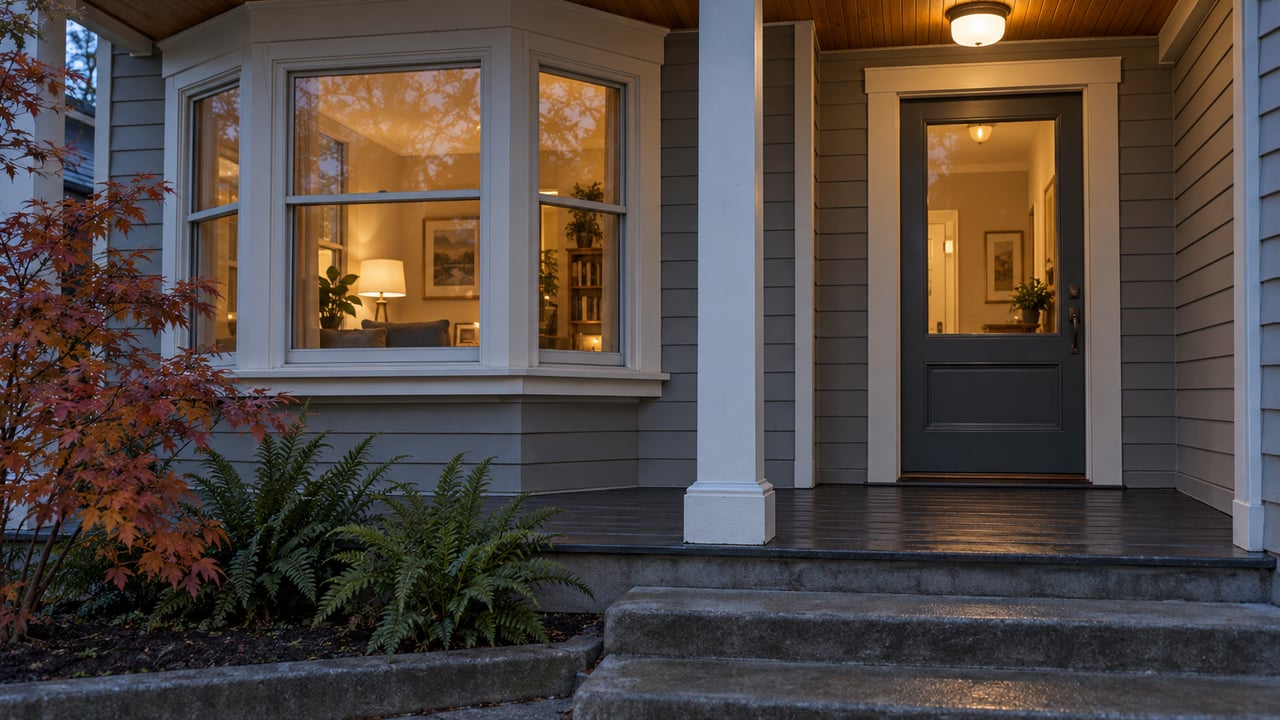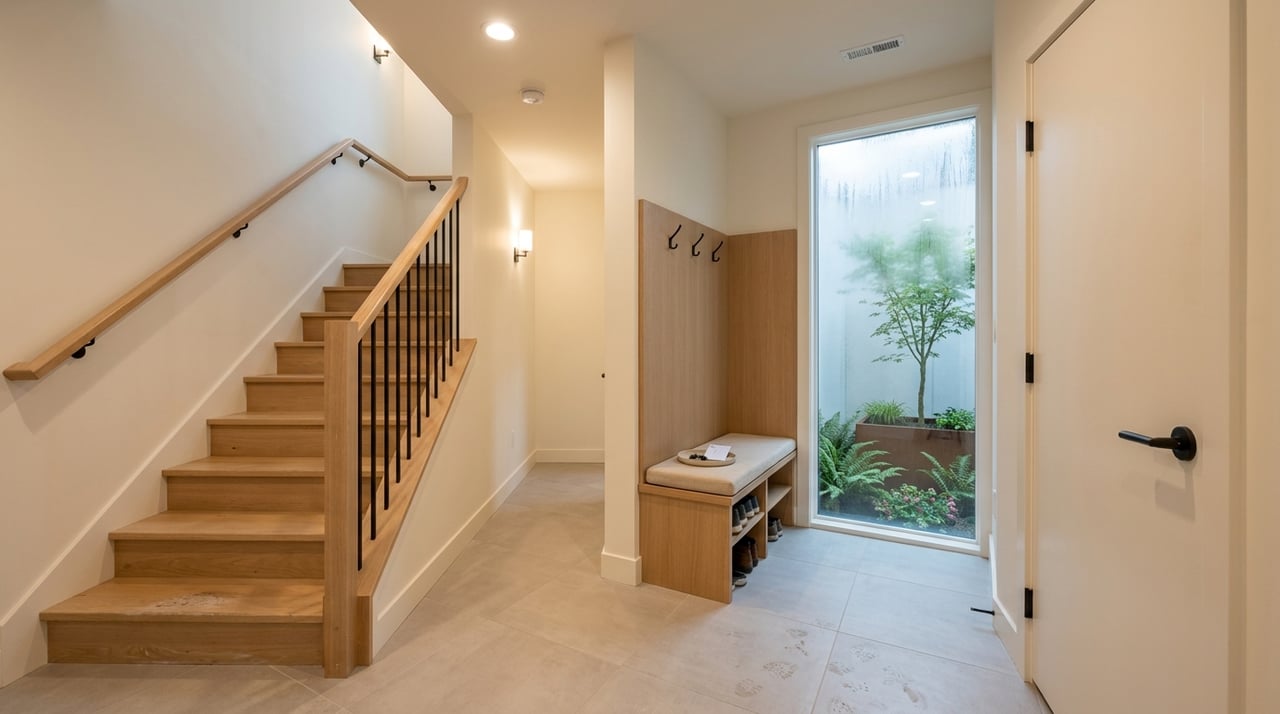
Wondering whether a Fremont townhome is the right fit for your lifestyle and budget? You are not alone. For many Seattle buyers, townhomes hit a sweet spot between location, price point, and lower-maintenance living, but the details matter more than most people expect. If you are thinking about buying in Fremont, this guide will help you understand what to look for, what to ask, and where small details can have a big impact. Let’s dive in.
Why Fremont townhomes stand out
Fremont has a long-running creative identity and a very active public realm. Features like Fremont Canal Park, the annual Fremont Fair, and recent SDOT work on Route 40 that added a protected bike lane and transit upgrades on Fremont Ave N all support a more urban, less car-dependent lifestyle.
What this means for you is simple: Fremont can be a strong fit if you want easy access to neighborhood amenities, transit, and bike connections. It also means parking should never be treated as an afterthought.
How a townhome differs
Townhome layout basics
Seattle’s Residential Code covers townhouses with no more than three stories and separate entrances. In real life, that often translates to a more vertical floor plan with more stairs than you would usually find in a detached house.
That layout works well for some buyers and feels tiring to others. Before you fall in love with finishes or a roof deck, make sure the daily up-and-down of the home actually fits how you live.
Townhome vs. detached house
Compared with a detached house, a townhome usually gives you a smaller footprint and less private land or yard space. In exchange, you may get a more central location and a home style that can feel more manageable day to day.
The tradeoff is that attached housing often comes with shared-wall or shared-element obligations. That is where monthly costs and maintenance responsibilities deserve a closer look.
Townhome vs. condo
This is where many buyers get surprised. Under Washington law, a condominium is a common interest community where you own your unit separately and share ownership of the rest, which can include things like roofs, yards, parking areas, and storage spaces.
Some Fremont townhomes look like standalone homes from the street but function more like condos in their legal structure. That is why the recorded declaration matters just as much as the floor plan and photos.
Check the legal structure first
Washington law defines common interest communities broadly enough that some townhomes may come with shared obligations for taxes, insurance, maintenance, improvements, or services tied to shared property. So even if a home is marketed as a townhome, you should confirm exactly what you own and what the association controls.
This affects more than paperwork. It can shape your monthly dues, your repair responsibilities, and how much freedom you have with outdoor areas or exterior changes.
Ask how outdoor spaces are classified
If a property includes a patio, roof deck, yard, or storage area, ask whether that space is part of the unit, a limited common element, or a shared common element. Under Washington law, that distinction matters.
What this means for you is that the space may look private but still come with shared rules or maintenance obligations. It can also affect whether you are allowed to make changes later.
Understand the monthly cost picture
A Fremont townhome payment is not just principal and interest. You also need to look at property taxes, HOA dues if they apply, insurance responsibilities, and the condition of shared components.
In King County, real property is assessed at 100% of true and fair market value, and tax bills are affected by multiple taxing districts. The county notes there are 165 taxing districts in King County, and tax bills are mailed in February with payment deadlines in April and October.
HOA dues are only part of the story
If the townhome is part of a common interest community, HOA dues deserve a close review. Washington law requires the annual budget to show projected income, common expenses, per-unit assessments, reserve contributions, and whether the budget aligns with the reserve study.
That means a low monthly due is not automatically a good sign. Sometimes lower dues simply mean the association is underfunding reserves or delaying necessary work.
Reserve studies matter
Reserve studies are one of the biggest buyer checkpoints in attached housing. Under Washington law, associations generally must prepare and update a reserve study, get an initial study from a reserve-study professional, update it annually, and obtain a professional site-inspected update at least every third year unless an exemption applies.
If reserve planning is weak, the consequences often show up later through deferred maintenance, rising dues, borrowing, or special assessments. In plain terms, today’s “affordable” monthly cost can become tomorrow’s surprise bill.
Clarify maintenance responsibilities
One of the biggest sources of buyer confusion is maintenance. Washington law generally places maintenance, repair, and replacement of common elements, including limited common elements, on the association, while each owner maintains their own unit unless the declaration says otherwise.
That sounds clear on paper, but the details can vary from project to project. You will want to know exactly who handles the big-ticket items before you write an offer.
Ask about these building components
Pay special attention to who maintains:
- Roofs
- Siding
- Windows
- Decks
- Gutters
- Retaining walls
- Drainage
- Exterior envelope components
These are the items that most often shape future repair costs and owner stress. If the answers feel vague, that is a sign to slow down and get more clarity.
Treat parking like a separate decision
In Fremont, parking can be one of the most important practical questions. The neighborhood’s urban feel, bike access, and transit improvements are a real plus, but they do not replace the need for dedicated parking if your household relies on a car.
Seattle regulates parking on private property, and those rules apply to parking inside or outside a structure, voluntary parking, and off-site parking. If a listing advertises parking, confirm whether it is deeded, assigned, tandem, or only on-street.
Do not rely on street parking alone
Seattle also has a 72-hour on-street parking rule. That means street parking is not a reliable substitute for dedicated parking if you need long-term vehicle storage.
What this means for you is that “easy street parking” should be treated as a nice bonus, not a guaranteed plan. In Fremont especially, parking should be part of your due diligence from day one.
What to request before making an offer
If the townhome is part of a covered common interest community, Washington requires a resale certificate before contract execution or conveyance. This document summarizes major association details such as assessments, special assessments, budget items, reserve-study status, insurance, and use restrictions.
This is one of the most useful tools you have as a buyer. It can tell you a lot about how the community is run and whether there are any financial or maintenance issues bubbling under the surface.
Your key document checklist
Before making an offer, ask for:
- The current governing documents
- Recent budgets
- The reserve study
- Board meeting minutes
- Notices of pending repairs
- Notices of special assessments
- Information on any remaining declarant or builder control, if the project is newer
The resale certificate itself warns buyers to review the association’s financial obligations, reserve study, and governing documents carefully. That is not a formality. It is where many of the biggest future headaches become visible.
Think about resale now
Good resale planning starts before you buy. In Fremont, townhomes with efficient layouts, workable parking, usable private outdoor space, and healthy HOA reserves are likely to appeal to a broader buyer pool because they fit the neighborhood’s urban and bike-transit-friendly context while reducing ownership friction.
The strongest resale questions are usually the same ones that protect you as a current buyer. How much is shared, how much is reserved, what do dues cover, and how predictable are future repairs or assessments? If you can answer those clearly before closing, you are usually making a stronger decision.
A smart Fremont townhome mindset
Buying a Fremont townhome is not just about liking the kitchen or loving the rooftop view. It is about understanding the structure behind the lifestyle. When you get clear on ownership, maintenance, reserves, parking, and outdoor-space rights, you can move forward with a lot more confidence.
If you want a calm, strategic second set of eyes on a Fremont townhome, Savanna Taylor can help you sort through the details, ask the right questions, and make a decision you feel good about.
FAQs
What should you know about Fremont parking before buying a townhome?
- In Fremont, parking should be treated as a separate due-diligence item. Confirm whether parking is deeded, assigned, tandem, or only on-street, and remember Seattle has a 72-hour on-street parking rule.
What documents should you review before buying a Seattle townhome in a common interest community?
- Ask for the resale certificate, governing documents, recent budgets, reserve study, board minutes, and any notices about pending repairs, special assessments, or remaining builder control.
What is the difference between a townhome and a condo in Washington?
- A townhome describes the home style, but the legal structure may still function like a condo or other common interest community. That is why you should review the recorded declaration to understand ownership, shared areas, and obligations.
Why do reserve studies matter when buying a Fremont townhome?
- Reserve studies help show whether the association is planning for future repair and replacement costs. Weak reserves can lead to deferred maintenance, higher dues, borrowing, or special assessments.
What maintenance questions should you ask before buying a townhome in Fremont?
- Ask which parts of the property are owner-maintained versus association-maintained, especially the roof, siding, windows, decks, gutters, retaining walls, drainage, and other exterior components.