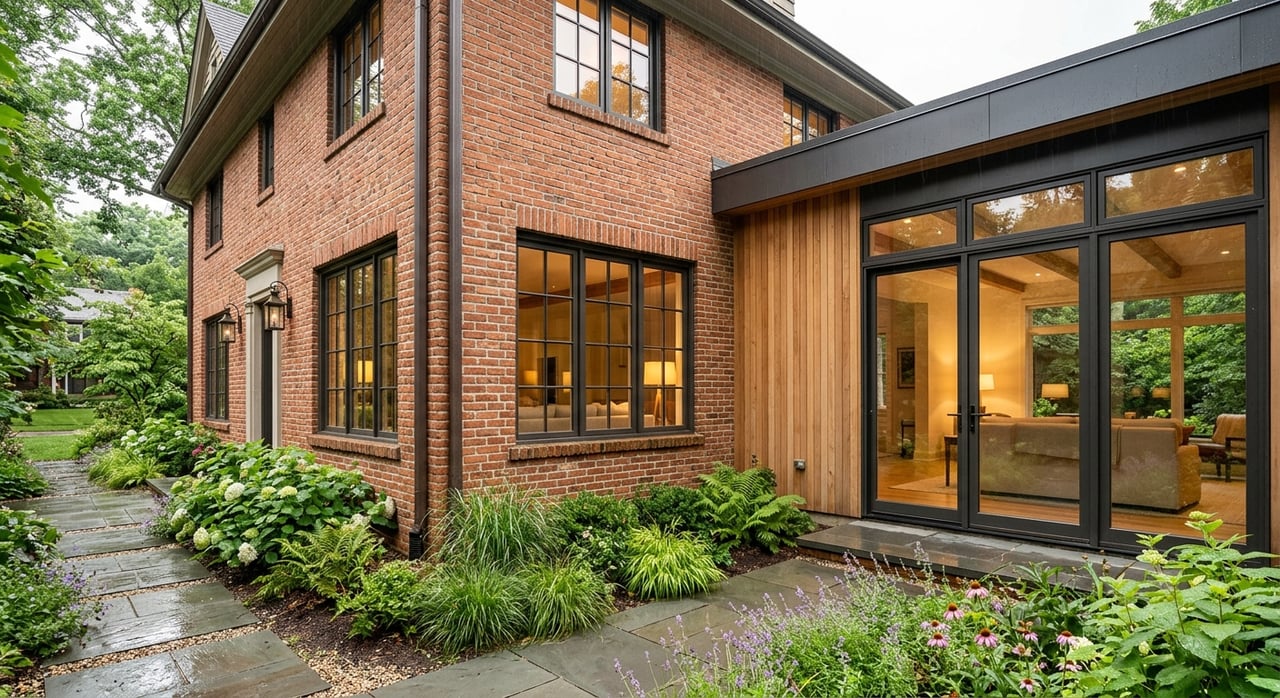
Trying to choose between a classic Queen Anne home and a newer condo or townhome? You are not alone. In Queen Anne, that decision can feel especially personal because the neighborhood offers both deep architectural history and more recent development in close-in, walkable areas. This guide will help you compare the tradeoffs, spot the due-diligence items that matter most, and decide which version of Queen Anne fits your life best. Let’s dive in.
Why Queen Anne Offers Both
Queen Anne is one of Seattle’s oldest residential neighborhoods, and its housing mix reflects that long history. Seattle’s historic context materials describe a close-in hill neighborhood shaped by steep topography, scenic views, early transit access, and ongoing tension between historic character and development pressure.
What that means for you is simple: Queen Anne was not built in one era or one style. You will find older detached homes with period detail, along with postwar infill, condos, townhomes, and denser redevelopment in areas like Uptown, Dexter Avenue N., and Queen Anne Avenue N.
What Counts as a Classic Home
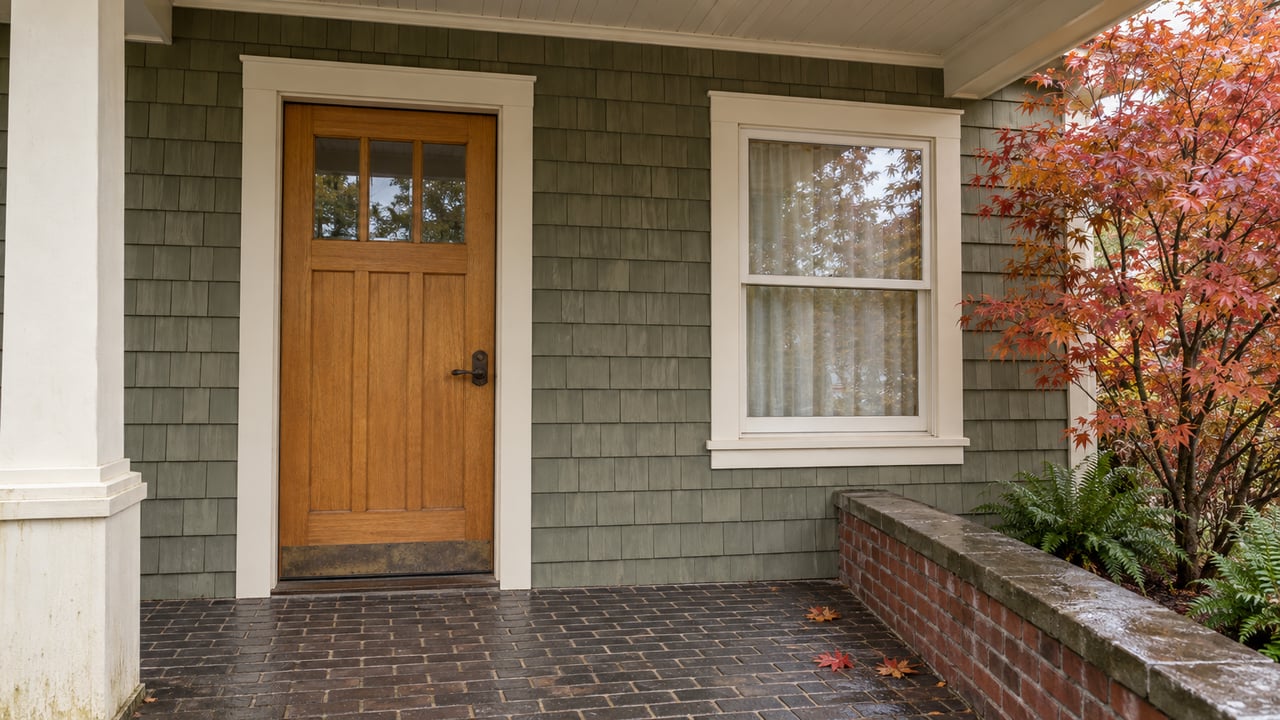
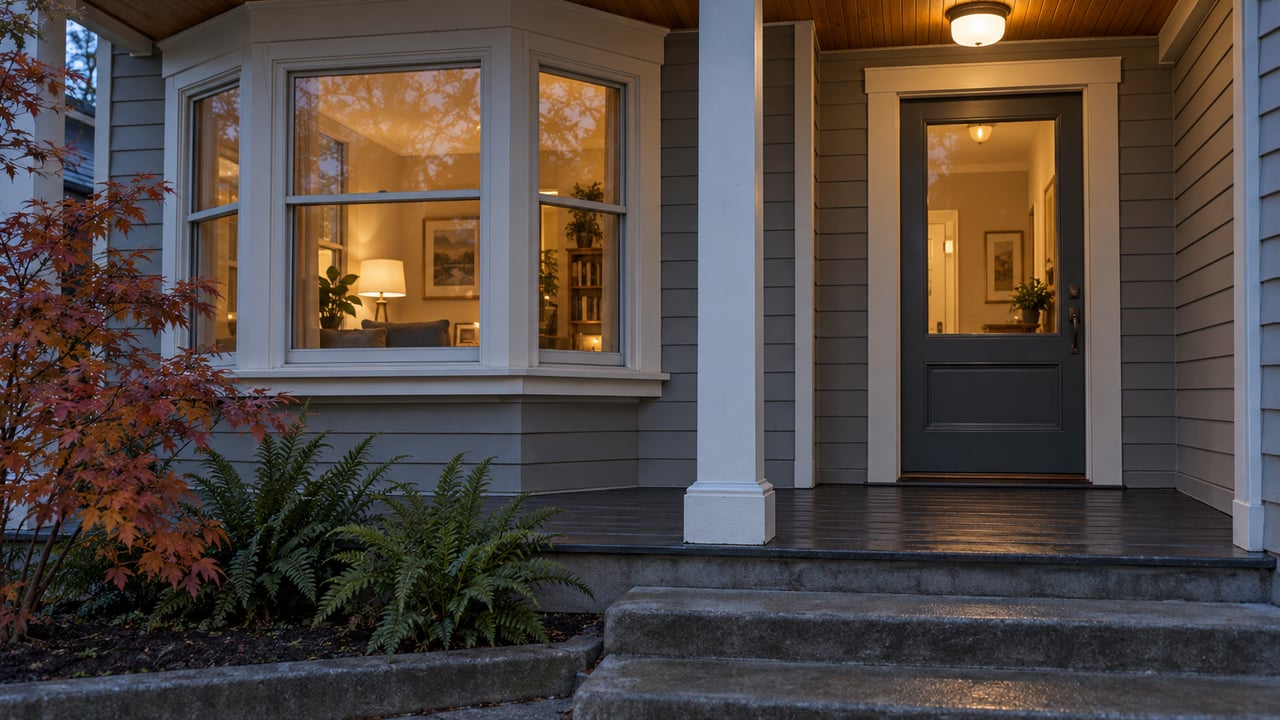
In Queen Anne, “classic” usually means an older detached house with strong architectural character. Seattle’s historic context highlights late-19th-century and early-20th-century homes, including Craftsman bungalows, period-revival cottages, and larger historic homes on higher ground.
For many buyers, the appeal goes beyond age alone. These homes often offer original details, a distinctive look, and a strong connection to Queen Anne’s established streetscape and history.
Why Buyers Love Classic Homes
Classic homes often stand out because they do not feel interchangeable. If you value original millwork, older design features, and the sense that your home has a story, this style of property may be the better fit.
Queen Anne’s historic identity also adds to the appeal. The neighborhood is known for scenic views, established residential blocks, and a civic landscape shaped in part by places like Queen Anne Boulevard, which Seattle Parks describes as a green roadway that winds through the hill.
What to Watch for in Older Homes
The tradeoff is usually maintenance and planning. Older homes often require more diligence around systems, materials, and long-term upkeep.
If a home was built before 1978, lead-based paint may be a concern. Older homes may also contain asbestos in materials such as flooring, roofing, insulation, or textured coatings, and those materials can become a bigger issue during renovation if they are disturbed.
Seattle also notes that homes built before 1980 were not required to be secured to their foundations. Because of that, seismic retrofit work often comes up when buyers are evaluating older Seattle homes.
Historic Status Can Affect Remodeling
This is one of the biggest Queen Anne-specific factors. If a property is individually landmarked or located in a historic district, exterior changes may require early consultation and city approval.
Seattle’s preservation program states that a Certificate of Approval must be issued before changes can be made to designated landmarks or properties in historic districts. So if you love the look of a classic home but already know you want to significantly change the exterior, it is smart to confirm what is allowed before you commit.
What Counts as a Newer Home
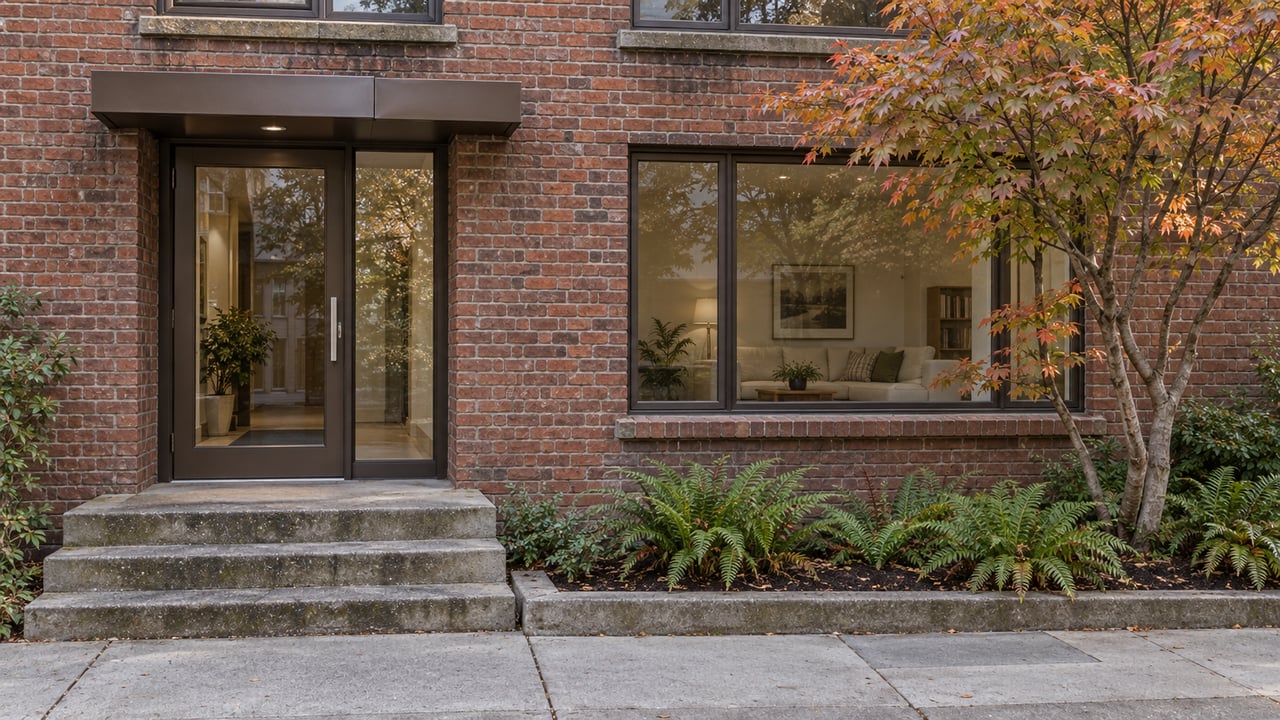
In Queen Anne, “newer” often means condos, townhomes, or more recent redevelopment. These homes are commonly associated with denser parts of the neighborhood, especially Uptown, Dexter Avenue N., and Queen Anne Avenue N., where Seattle’s more recent development patterns have added taller and more multifamily projects.
For many buyers, the draw is convenience. Newer homes often offer a more streamlined ownership experience, more modern layouts, and fewer immediate repair questions than a much older detached house.
Why Buyers Choose Newer Homes
One major benefit is that newer construction must meet current code standards. Seattle states that new construction must comply with current residential, building, zoning, electrical, land use, environmental, shoreline, and mechanical codes.
Washington’s current residential energy code also applies to one- and two-family homes, townhouses, and low-rise residential buildings. For you, that can mean a home built to more recent standards for construction and energy efficiency.
What to Watch for in Condos and Townhomes
The biggest tradeoff with many newer homes is shared governance. If you are buying a condo, or in some cases a townhome with an owners association, you are not just evaluating the unit itself. You are also evaluating the association.
Washington law requires a condo seller to provide a resale certificate before conveyance, and that certificate is based on the association’s books and records. The law also requires disclosure if the association does not have a reserve study.
That means your review should include more than monthly dues. You will want to look at the HOA budget, reserve planning, governing documents, and whether future special assessments could be possible.
How to Decide What Fits You
The best choice usually comes down to lifestyle, time horizon, and maintenance tolerance. There is no single right answer for every buyer in Queen Anne.
If you are drawn to original architecture, historic context, and a more distinctive detached home, a classic property may be worth the extra diligence. If you want newer systems, current-code construction, and a more managed ownership structure, a condo or townhome may make more sense.
Choose a Classic Home If You Value
- Architectural character and period detail
- A stronger connection to Queen Anne’s historic fabric
- The possibility of a more unique home
- More control over a detached property
You should also feel comfortable with the possibility of more maintenance, more inspection questions, and added planning if preservation rules apply.
Choose a Newer Home If You Value
- More recent construction standards
- Potentially lower near-term maintenance demands
- Modern layouts and building systems
- A more managed ownership experience
You should also be prepared to review HOA documents carefully and understand how shared decision-making may affect your ownership experience.
A Practical Queen Anne Comparison
| Factor | Classic Home | Newer Condo or Townhome |
|---|---|---|
| Main appeal | Character, history, distinct design | Convenience, newer systems, modern living |
| Common housing type | Older detached house | Condo, townhome, redevelopment |
| Typical diligence focus | Systems, lead risk, asbestos, seismic retrofit | Resale certificate, reserves, budget, rules |
| Remodeling considerations | May face landmark or historic district review | HOA rules may affect changes |
| Best fit for | Buyers who want individuality and can handle upkeep | Buyers who want lower-maintenance living and structure |
Due Diligence Questions to Ask
A clear checklist can make this decision feel much less overwhelming. Here are some of the most useful questions to ask as you compare properties in Queen Anne.
For a Classic Queen Anne Home
- How old are the roof, plumbing, electrical, and heating systems?
- Was the home built before 1978, and if so, what is known about lead-based paint?
- Are there any known asbestos-containing materials in the home?
- Has seismic retrofit work been completed, or is it recommended?
- Is the property landmarked or located in a historic district?
- Would exterior changes require a Certificate of Approval?
For a Newer Condo or Townhome
- Can you review the resale certificate early in the process?
- Is there a current reserve study?
- What does the HOA budget show?
- Are there signs of underfunded reserves or possible future special assessments?
- What rules apply to renovations, leasing, pets, parking, or shared spaces?
For Any Queen Anne Property
- How does this home fit your budget over the next several years?
- How much maintenance do you realistically want to take on?
- If you plan to remodel, what city code or approval requirements may apply?
- Does the property support your day-to-day lifestyle and long-term plan?
What This Means for You
In Queen Anne, the choice between classic and newer is rarely just about age. It is really about how you want to live, how much upkeep you are comfortable with, and whether you want character, convenience, or a balance of both.
This neighborhood supports either path. Queen Anne’s identity has long been shaped by both preservation and development, which is why you can find historic homes full of period charm and newer properties designed for a more streamlined lifestyle.
If you want help weighing the tradeoffs, reviewing the right questions, and building a strategy around your goals, working with a calm, detail-focused local guide can make the process much clearer. If you are exploring Queen Anne and want a thoughtful plan for your search, connect with Savanna Taylor.
FAQs
What is the main difference between classic and newer homes in Queen Anne?
- Classic homes in Queen Anne are usually older detached houses with period detail and historic character, while newer homes are often condos, townhomes, or more recent redevelopment in denser parts of the neighborhood.
What should you check before buying an older home in Queen Anne?
- You should ask about the condition of major systems, possible lead-based paint in homes built before 1978, possible asbestos-containing materials, seismic retrofit work, and whether landmark or historic district rules affect future exterior changes.
What documents matter when buying a Queen Anne condo?
- You should review the resale certificate, reserve study, HOA budget, and governing documents so you can understand the association’s financial health, rules, and any potential for future special assessments.
Can historic status affect remodeling a Queen Anne home?
- Yes. If a property is a designated landmark or located in a historic district, exterior changes may require a Certificate of Approval before work can move forward.
Are newer Queen Anne homes built to current codes?
- New construction in Seattle must comply with current city codes, and Washington’s current residential energy code applies to one- and two-family homes, townhouses, and low-rise residential buildings.
Which type of Queen Anne home is better for first-time buyers?
- The better fit depends on your budget, maintenance comfort level, and long-term goals. Many first-time buyers prefer newer condos or townhomes for simpler upkeep, while others are willing to take on an older home for its character and individuality.